If you are looking for compassionate and effective Recurrent Miscarriage Treatment in Ghaziabad, Dr. Smita Jain offers comprehensive evaluation and personalized care to identify the underlying causes of repeated pregnancy loss. With advanced diagnostic approaches and fertility-focused treatment plans, she helps improve the chances of a healthy pregnancy and successful childbirth.
Recurrent miscarriage refers to multiple consecutive pregnancy losses, typically occurring before the pregnancy reaches viability. This emotionally challenging condition may be associated with genetic, hormonal, anatomical, immunological, or lifestyle-related factors.
While a single miscarriage is relatively common, repeated pregnancy losses require a detailed medical evaluation to identify the underlying cause. Early diagnosis, appropriate treatment, and personalized fertility care can significantly improve the chances of a healthy and successful pregnancy.
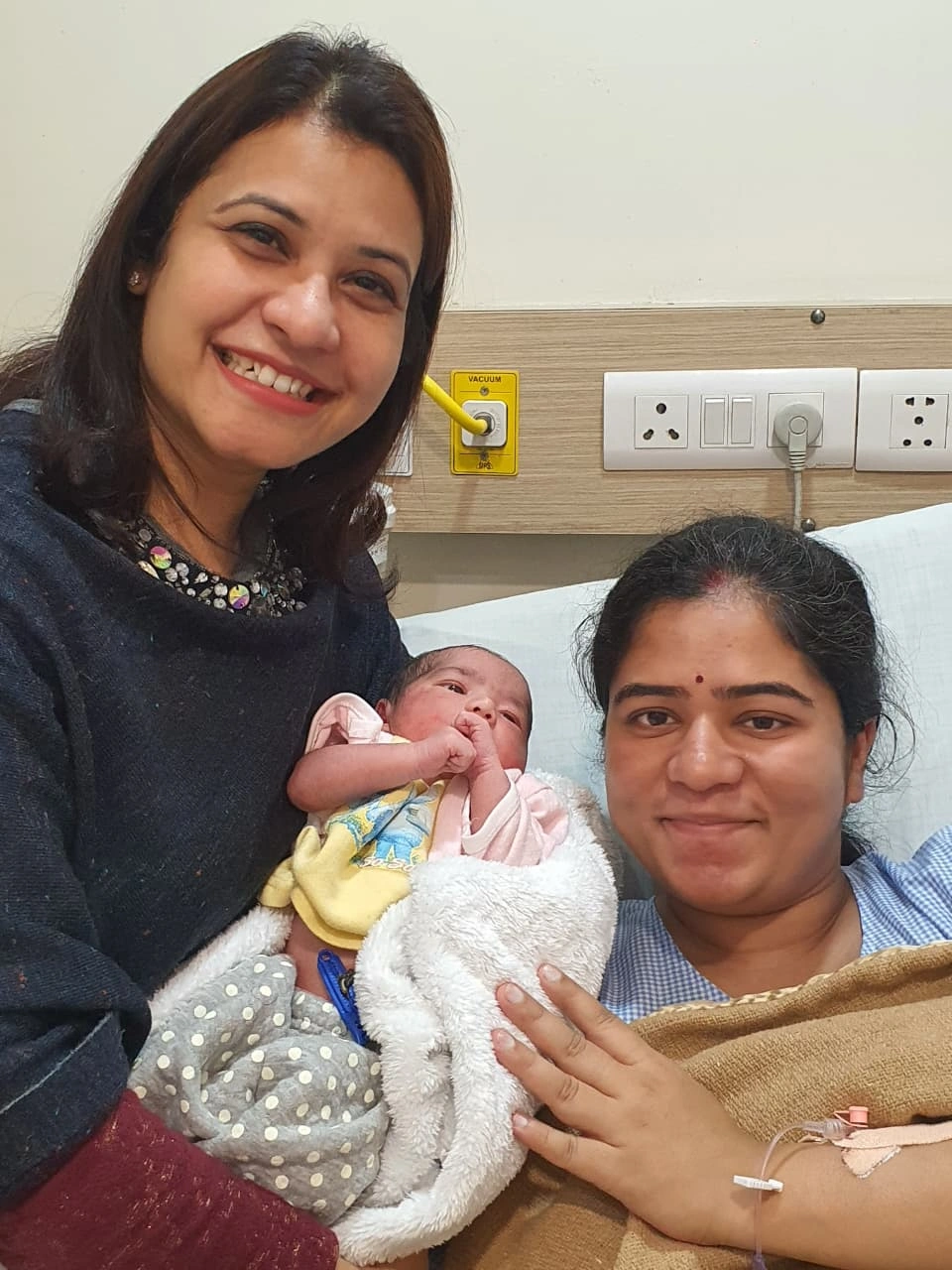
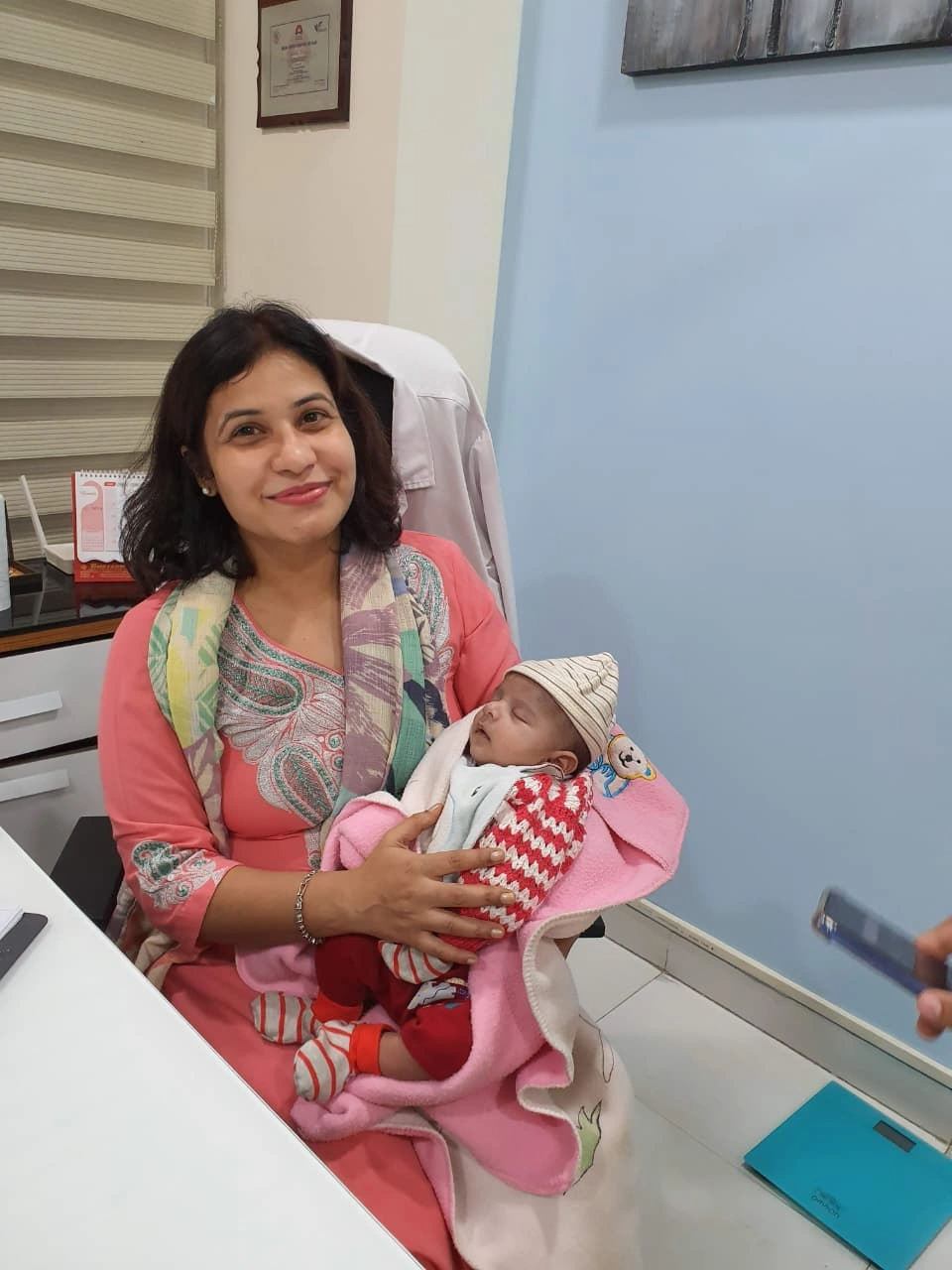
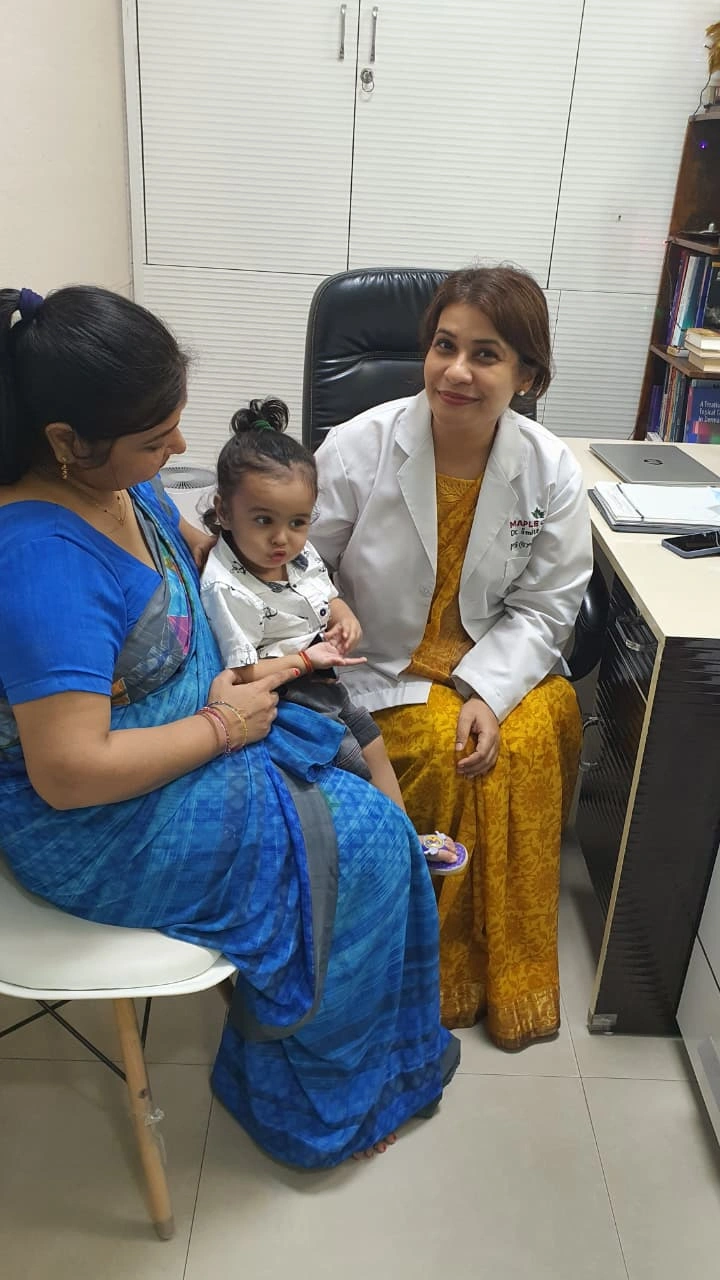
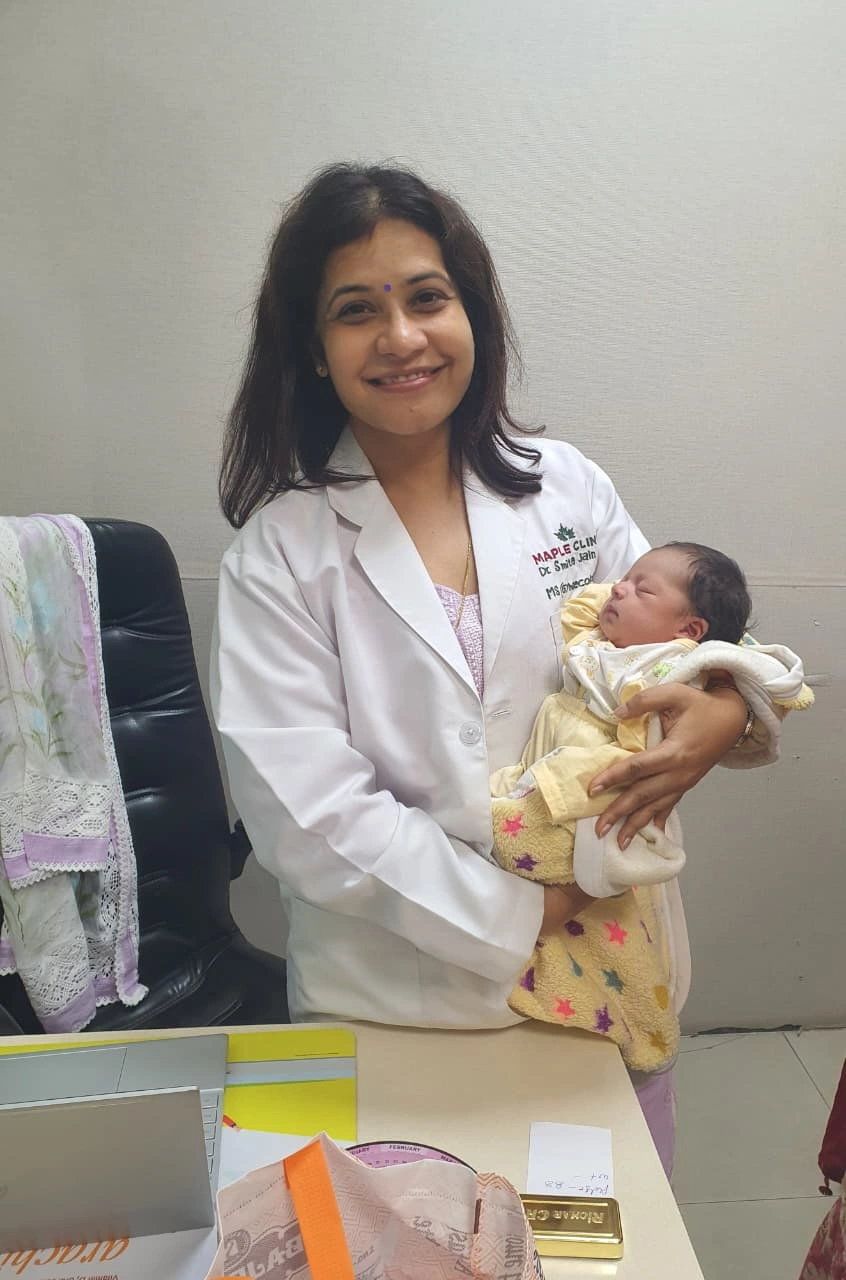
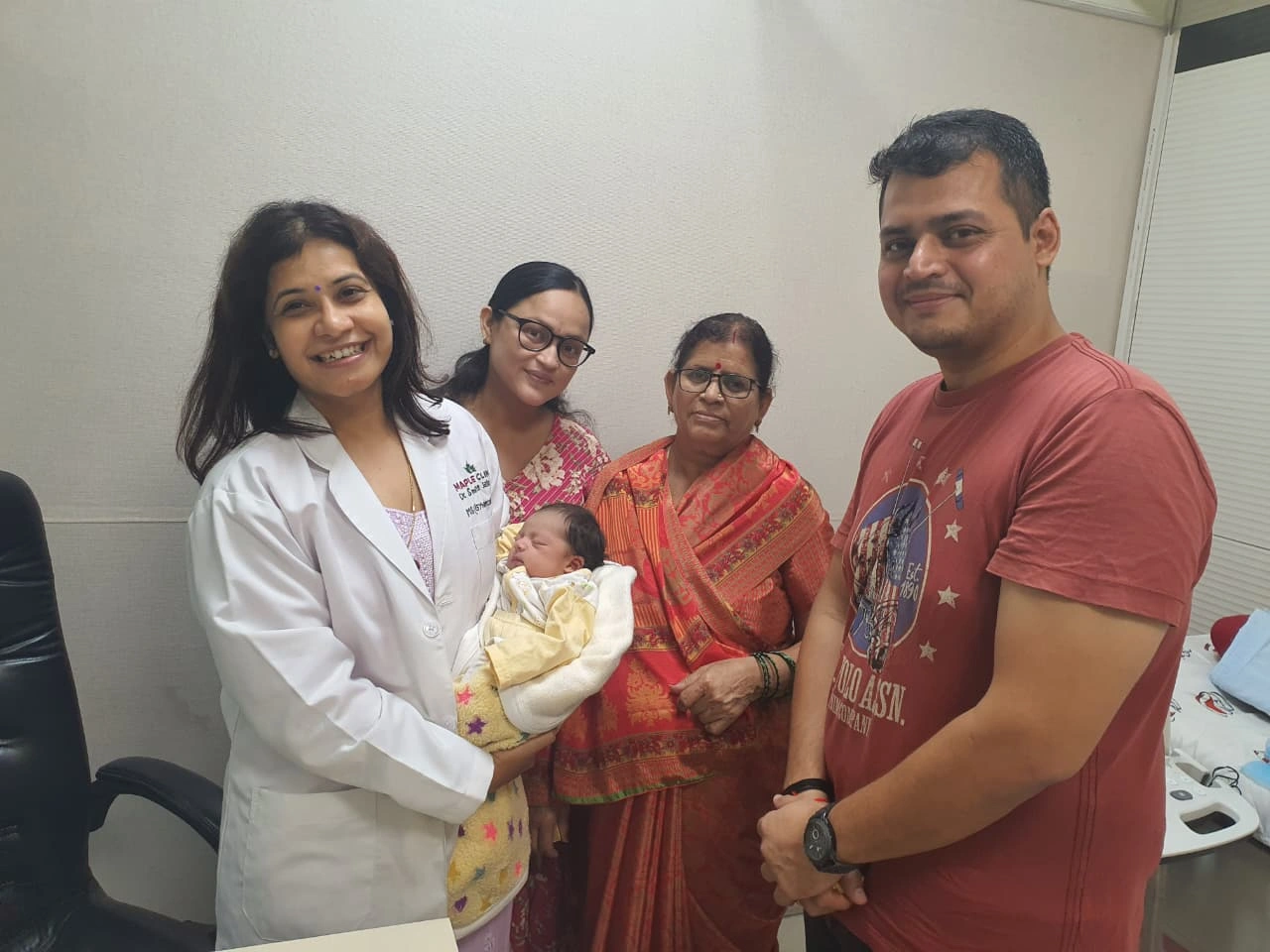
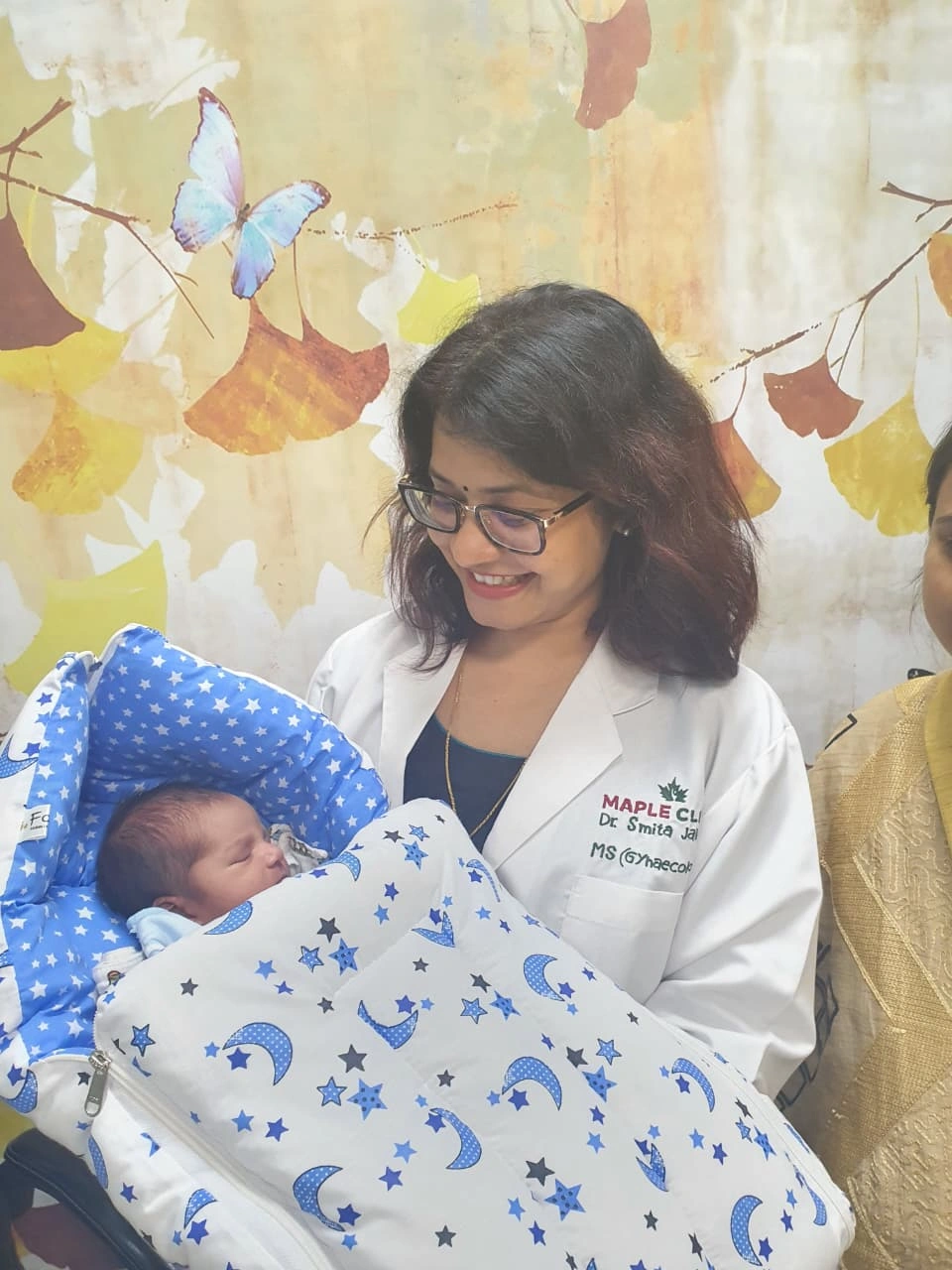
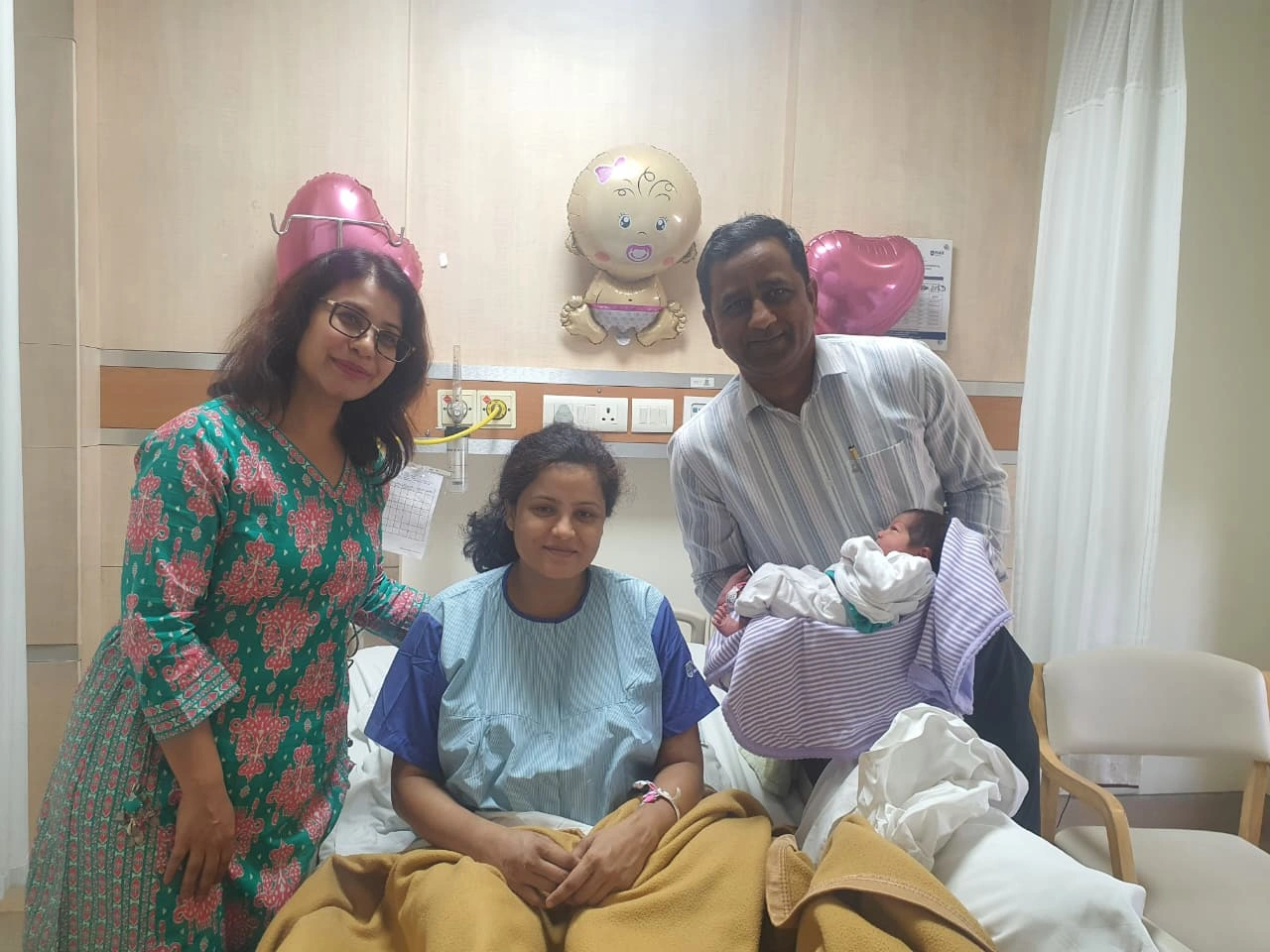
Every successful pregnancy is a story of hope, trust, and expert fertility care. Explore some of the beautiful moments shared by families who achieved parenthood with the guidance of Dr. Smita Jain.
Recurrent miscarriage may present with certain warning signs that require prompt medical evaluation. Early diagnosis can help identify the underlying cause and improve future pregnancy outcomes.
If you have experienced recurrent pregnancy loss or have conditions that may affect pregnancy, an early fertility evaluation can help identify the cause and improve the chances of a successful pregnancy.
Watch expert explanations, IVF treatment guidance, fertility tips, pregnancy care videos and real patient success stories.
A comprehensive evaluation helps identify the underlying causes of recurrent miscarriage and guides personalized treatment to improve the chances of a healthy pregnancy.
A detailed review of previous pregnancies, miscarriages, medical conditions, and reproductive history is performed to identify possible risk factors.
Blood tests are performed to detect hormonal disorders, including thyroid abnormalities and progesterone deficiency, that may affect pregnancy.
Genetic testing may be recommended to identify chromosomal abnormalities in either partner that could contribute to recurrent pregnancy loss.
Ultrasound and other imaging studies are used to detect uterine abnormalities such as fibroids, septum, or adhesions that may increase the risk of miscarriage.
Specialized blood tests may be advised to identify autoimmune conditions or blood clotting disorders associated with recurrent miscarriage.
Additional fertility investigations may be performed to identify other possible causes of recurrent miscarriage and guide appropriate treatment.
Treatment focused on correcting hormonal imbalances, including thyroid disorders and progesterone deficiency, that may affect pregnancy outcomes.
Specialized treatment for PCOS and ovulation disorders to improve fertility and support a healthy pregnancy.
Assisted reproductive treatments such as IUI or IVF may be recommended when clinically indicated to improve pregnancy outcomes.
Management of fibroids, uterine septum, adhesions, and other uterine conditions that may contribute to recurrent pregnancy loss.
Close monitoring and expert medical guidance throughout early pregnancy to support a healthy and successful pregnancy.
Personalized treatment plans are developed based on the identified causes of recurrent miscarriage and each patient's reproductive goals.
Untreated hormonal disorders, uterine abnormalities, genetic factors, and other underlying medical conditions associated with recurrent miscarriage can also affect fertility. Identifying and managing these conditions early can improve the chances of conception and support a healthy pregnancy.
A comprehensive fertility evaluation is essential to determine the exact cause of recurrent pregnancy loss and identify whether medical or surgical treatment is required. With timely intervention, individualized treatment, and appropriate pregnancy care, many couples can successfully achieve and maintain a healthy pregnancy.
A comprehensive health evaluation helps prepare the body for a healthy future pregnancy and identifies any risk factors that require treatment.
Regular follow-up consultations help monitor recovery, evaluate reproductive health, and ensure appropriate medical care before conception.
A balanced diet and proper nutritional support promote overall health and prepare the body for a successful pregnancy.
Counseling and emotional support help couples cope with pregnancy loss and build confidence while planning for future pregnancies.
Close monitoring during future pregnancies helps detect potential concerns early and supports healthy pregnancy progression.
Individualized care plans are developed according to each patient's reproductive history, medical condition, and fertility goals.
Maintaining a healthy body weight can improve fertility and support a healthy pregnancy.
A balanced and nutritious diet helps maintain reproductive health and prepares the body for pregnancy.
Managing stress effectively can help maintain hormonal balance and improve reproductive health.
Avoiding smoking and alcohol reduces pregnancy-related risks and supports healthy fetal development.
Adequate sleep supports hormonal balance, reproductive function, and overall well-being.
Proper management of conditions such as thyroid disorders and diabetes is essential for a healthy pregnancy.
With over 20 years of experience, Dr. Smita Jain is a trusted Fertility Specialist and Gynecologist with extensive expertise in diagnosing and managing recurrent miscarriage and high-risk pregnancy cases. She performs comprehensive evaluations to identify the underlying causes of repeated pregnancy loss and develops personalized treatment plans tailored to each patient's medical history and reproductive goals.
Dr. Jain combines advanced fertility care with expert pregnancy management to improve the chances of a healthy and successful pregnancy. With more than two decades of experience in women's health and fertility, she provides compassionate, evidence-based treatment and continuous support for women facing recurrent pregnancy loss and other reproductive health concerns.
Find answers to the most commonly asked questions about recurrent miscarriage, its causes, diagnosis, treatment, and future pregnancy planning.
Common causes include genetic abnormalities, hormonal imbalances, uterine conditions, autoimmune disorders, blood clotting disorders, and lifestyle-related factors. In some cases, the exact cause may remain unknown.
Yes. Treatment depends on the underlying cause and may include hormonal therapy, treatment of uterine abnormalities, management of medical conditions, fertility treatment, or lifestyle modifications to improve future pregnancy outcomes.
You should consult a fertility specialist after two or more consecutive miscarriages or earlier if you have known fertility problems, hormonal disorders, or other reproductive health concerns.
Yes. PCOS may increase the risk of miscarriage in some women, particularly when hormonal imbalance, insulin resistance, or ovulation disorders remain untreated.
Your doctor may recommend hormonal evaluation, genetic testing, uterine imaging, immunological and clotting tests, and fertility investigations to identify the underlying cause.
IVF may be beneficial in selected cases, particularly when specific fertility issues or genetic factors are identified. Your fertility specialist will recommend the most appropriate treatment based on your condition.
The ideal timing varies depending on your physical recovery, emotional well-being, and the underlying cause of miscarriage. Your doctor will provide personalized guidance before planning another pregnancy.
Yes. Smoking, obesity, excessive stress, alcohol consumption, and poorly controlled medical conditions such as diabetes or thyroid disorders can increase the risk of pregnancy loss and should be properly managed.