If you are looking for expert Hysteroscopy Treatment in Ghaziabad, Dr. Smita Jain offers advanced diagnostic and therapeutic hysteroscopy procedures to evaluate and treat various uterine conditions. With personalized care and minimally invasive techniques, she helps women achieve better reproductive and gynecological health with faster recovery and improved treatment outcomes.
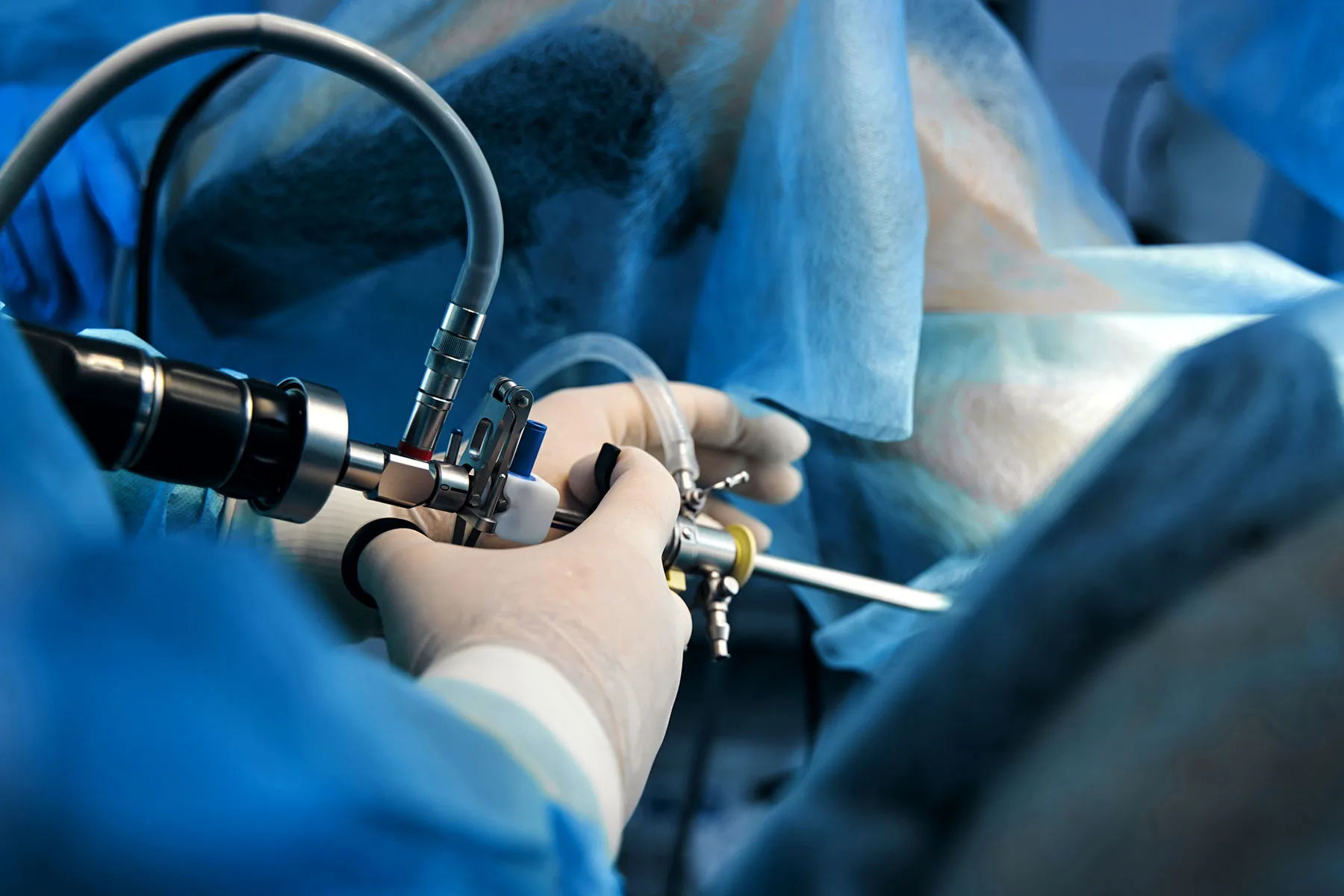
Hysteroscopy is done by using a hysteroscope—a thin, illuminated scope—to see the insides of the uterus. This procedure is done to treat and diagnose uterine issues that impact menstruation, fertility, and related issues for pregnancy. Because there is no need for large cuts or incisions, hysteroscopy is done to directly see the uterine cavity.
Hysteroscopy is done to look into abnormal uterine bleeding, and fibroids and polyps, and issues with uterine structure and fertility. Because of the precision that comes with diagnosis and treatment, hysteroscopy improves factors related to reproductive health, recovery is done in a timely manner, and the discomfort is minimal.
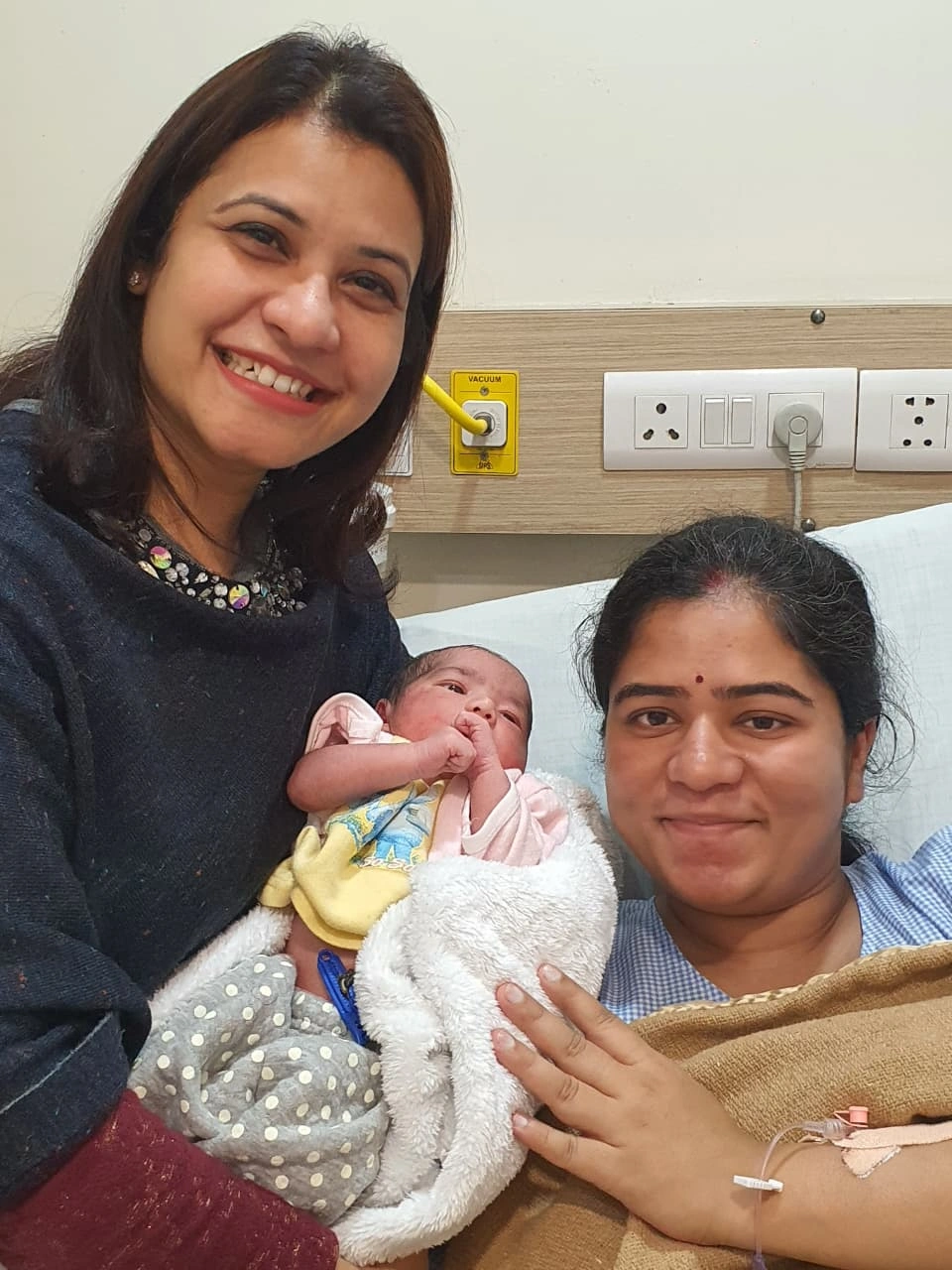
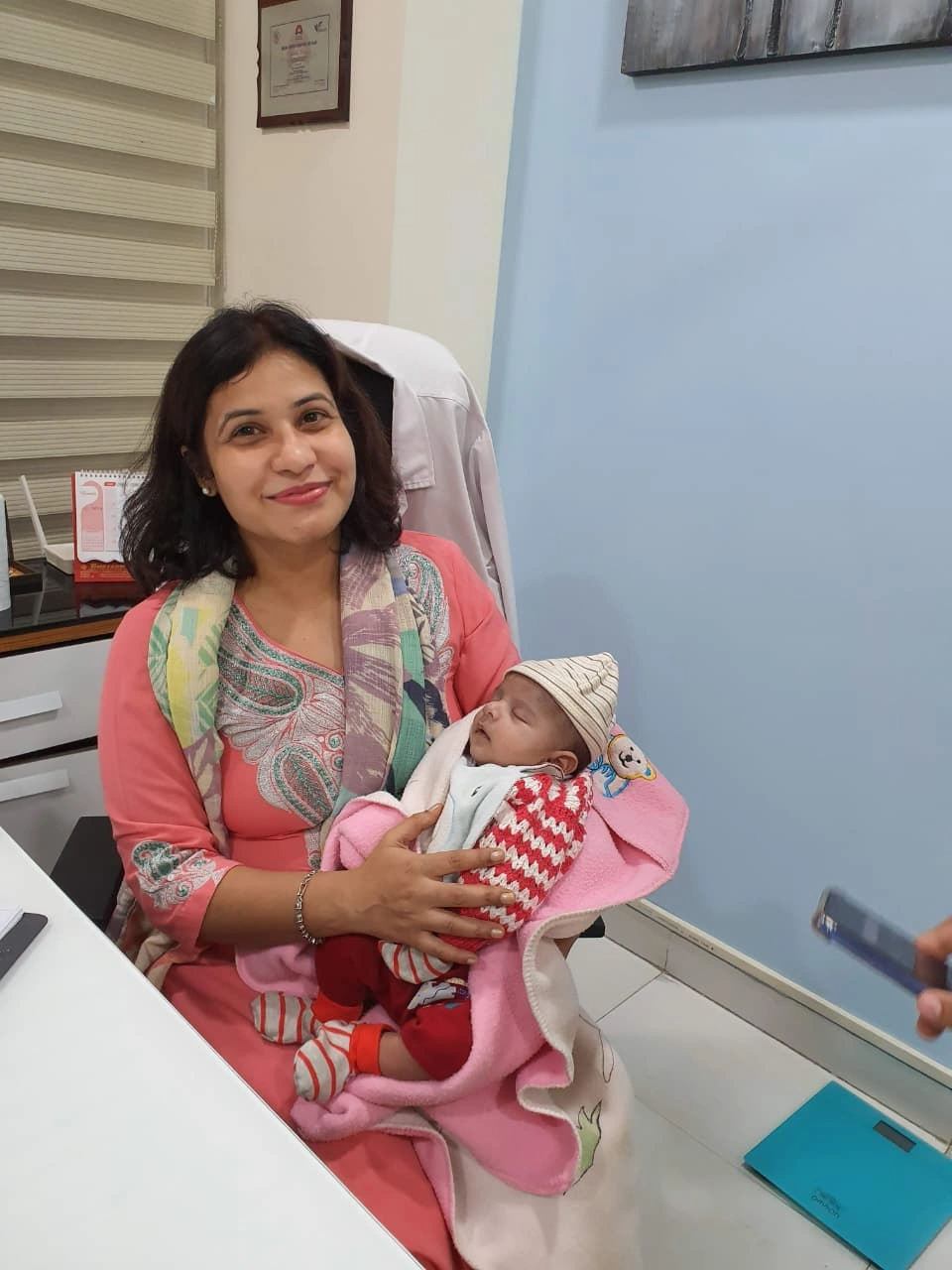
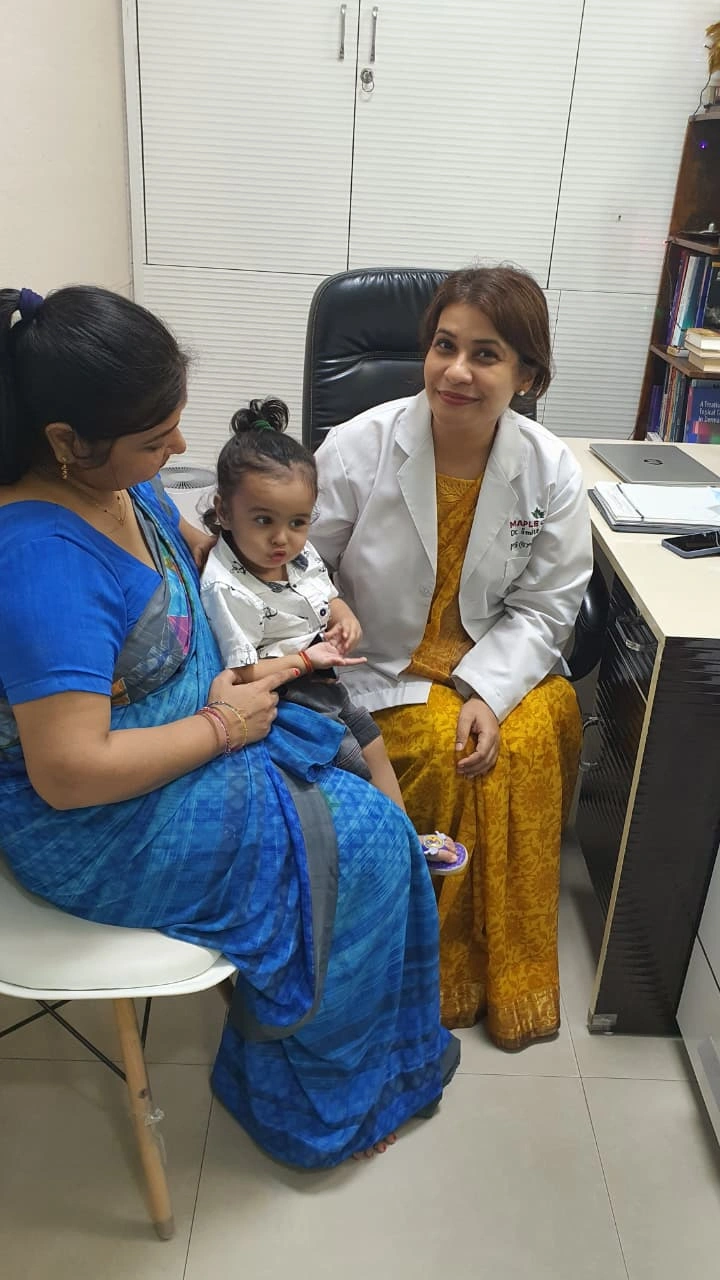
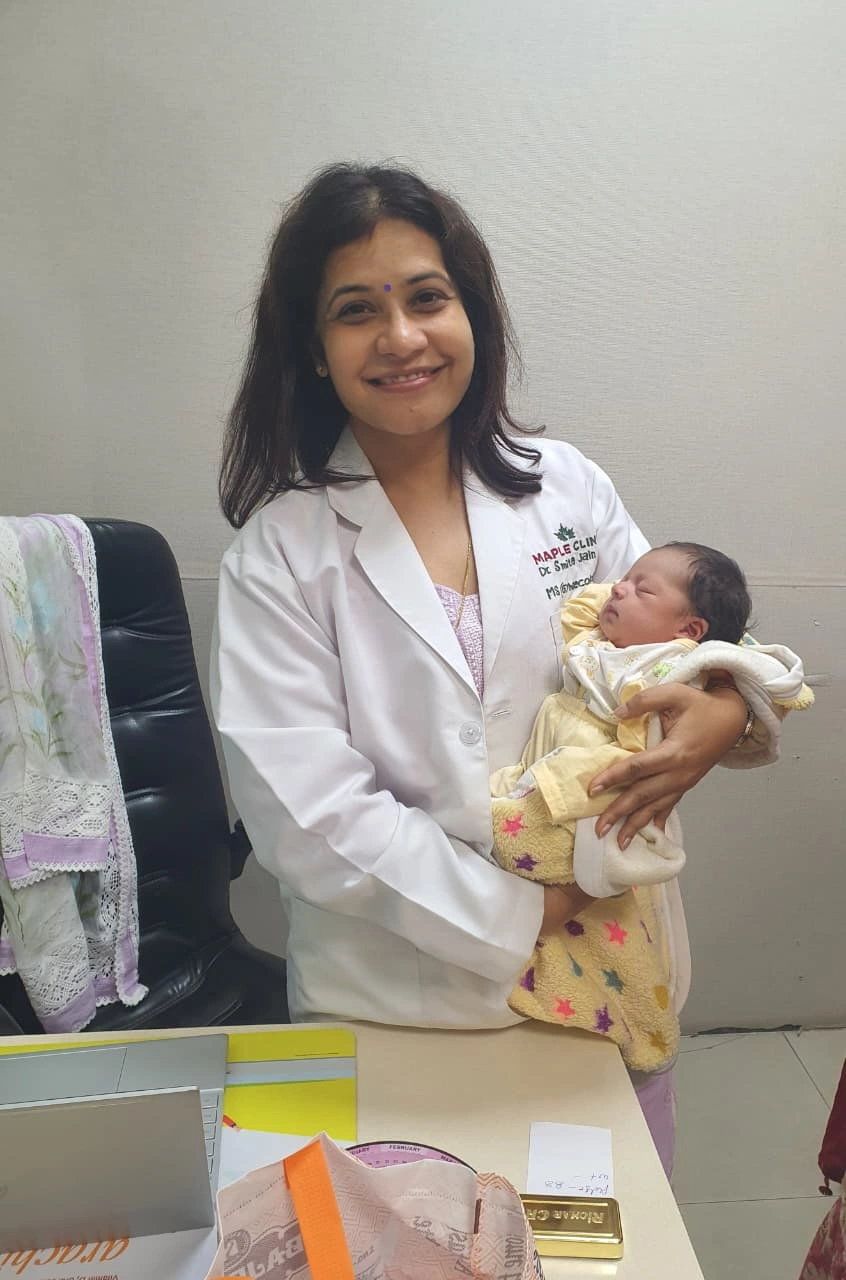
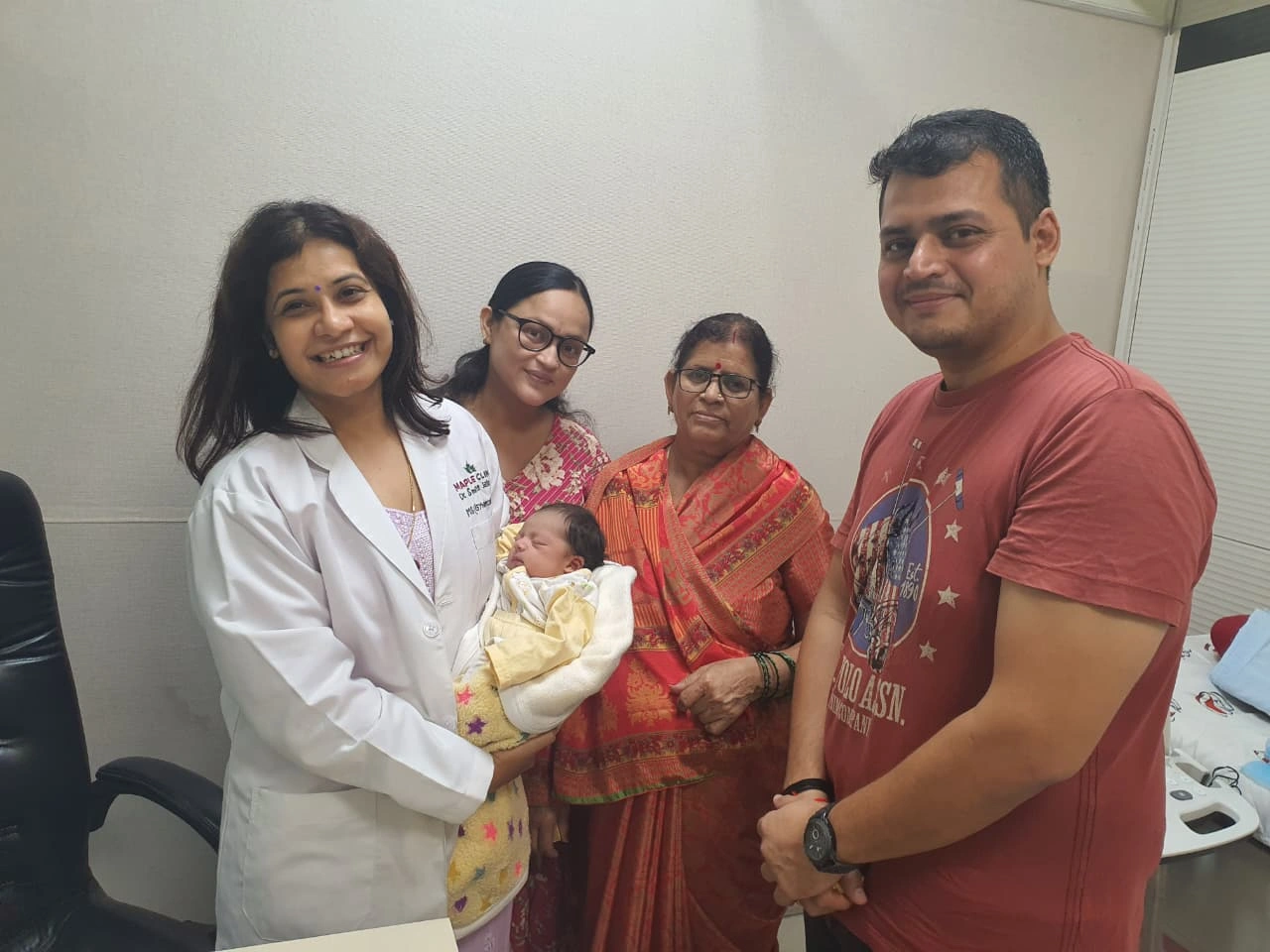
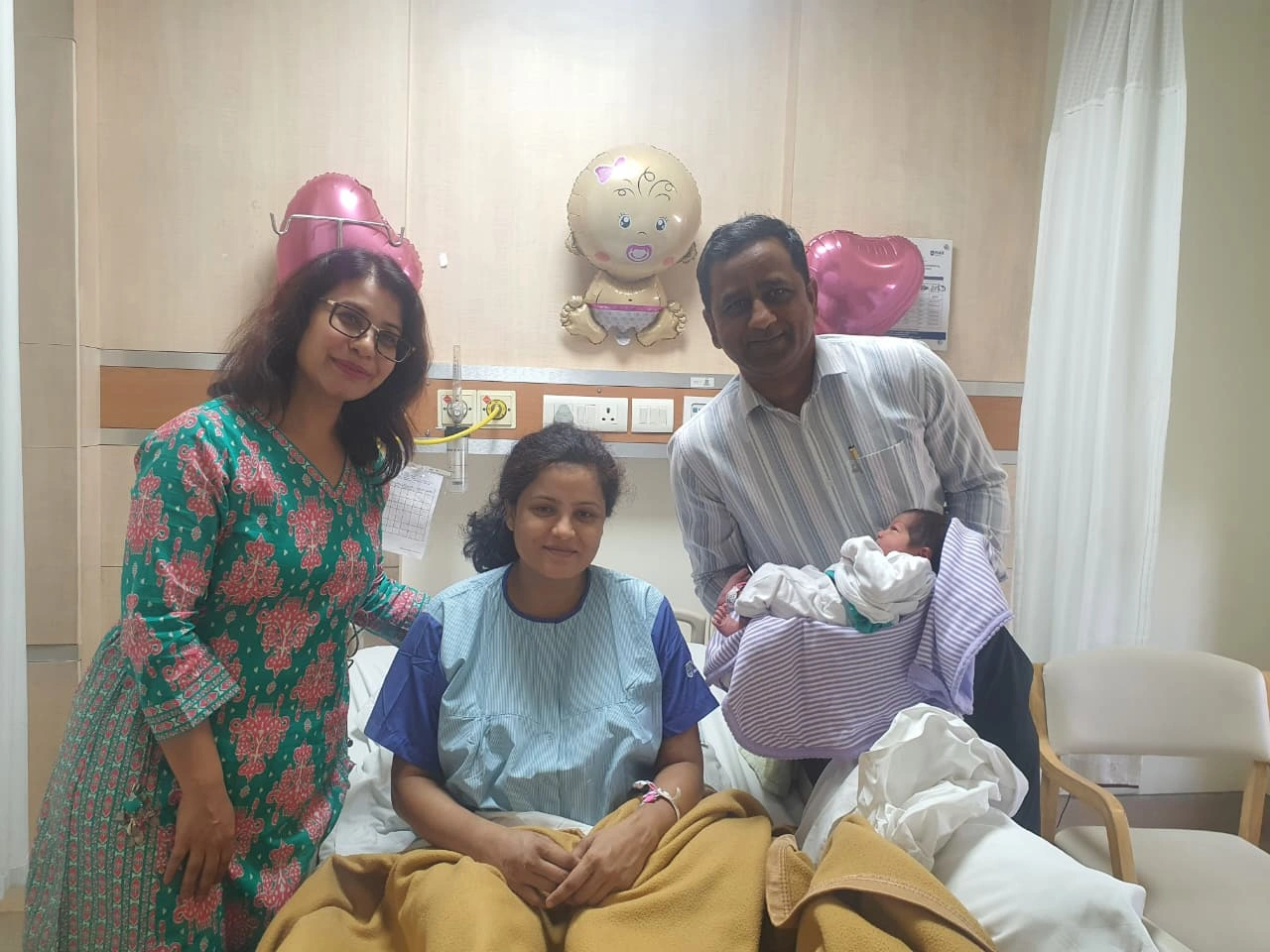
Every successful pregnancy is a story of hope, trust, and expert fertility care. Explore some of the beautiful moments shared by families who achieved parenthood with the guidance of Dr. Smita Jain.
Done for the examination of the uterus to detect any problems related to menstruation or reproductive function.
Done for the treatment of uterine conditions such as polyps, fibroids, adhesions, or uterine abnormalities using specialized instruments.
A procedure in which diagnosis and treatment are performed during the same hysteroscopy session whenever appropriate.
Surgical removal of uterine polyps which may be causing abnormal bleeding or affecting fertility.
Removal of fibroids found in the uterine cavity which may be affecting fertility or menstruation.
Treatments for scar tissue formation in the uterus which may be preventing menstruation or pregnancy.
Removal of congenital conditions in the uterus, which may cause infertility or miscarriages.
Identifying and treating any abnormal uterine bleeding that is not explained by other conditions.
Determining any problems in the uterus that may cause recurrent miscarriages.
Watch expert explanations, IVF treatment guidance, fertility tips, pregnancy care videos and real patient success stories.
Hysteroscopy is recommended for women with uterine conditions, abnormal bleeding, infertility, or recurrent pregnancy loss to accurately diagnose and treat problems within the uterine cavity.
Hysteroscopy is a minimally invasive procedure that allows the specialist to examine and treat conditions inside the uterus with precision and minimal discomfort.
An in-depth medical assessment is completed to understand the need for hysteroscopy.
Tests and images required are reviewed before the procedure.
A slender hysteroscope is easily placed through the cervix to enter the uterine cavity.
The absence of irregularities or concerns of structure in the uterus is evaluated.
Treatment of polyps, fibroids, adhesions, or other irregularities is provided in operative hysteroscopy.
Patients are watched after the procedure, and instructions for recovery are provided.
Hysteroscopy plays a big role in fertility evaluation and treatment because it helps identify uterine irregularities that may interfere with implantation or pregnancy. Conditions such as polyps, fibroids, adhesions, and a uterine septum can make conception more difficult and may also affect the chances of a successful pregnancy.
When these problems are treated through hysteroscopy, the uterine environment can be improved, supporting better fertility outcomes. The procedure is often recommended before fertility treatments such as IUI or IVF, especially when a detailed evaluation of the uterine cavity is required.
Dr. Smita Jain is an experienced Gynecologist and Fertility Specialist with expertise in diagnosing and treating uterine conditions that can affect menstrual health as well as fertility. She provides comprehensive evaluations and personalized treatment plans using advanced hysteroscopic techniques.
Her approach focuses on accurate diagnosis, fertility preservation, and minimally invasive treatment whenever possible. With more than 20 years of experience in women’s health and reproductive care, she is committed to helping women achieve better gynecological and fertility outcomes through safe, effective, and patient-centred care.
Find answers to the most commonly asked questions about hysteroscopy, its uses, benefits, recovery, and treatment options.
Hysteroscopy is used to diagnose and treat uterine conditions such as polyps, fibroids, adhesions, and abnormal bleeding.
Most women experience only mild discomfort, and the procedure is generally well tolerated.
The procedure usually takes between 15 and 45 minutes, depending on the purpose and treatment involved.
Yes, it can help treat uterine abnormalities that may interfere with conception or implantation.
Yes, hysteroscopy is considered a safe and commonly performed minimally invasive gynecological procedure.
Most women recover quickly and can return to normal activities within a few days.
Yes, selected submucosal fibroids located inside the uterine cavity can be treated hysteroscopically.
Anesthesia may or may not be required depending on the type and complexity of the procedure.