If you are looking for effective Female Infertility Treatment in Ghaziabad, Dr. Smita Jain provides comprehensive fertility evaluation and personalized treatment plans to help women overcome reproductive challenges. With advanced fertility care, accurate diagnosis, and evidence-based treatments, she helps improve conception chances and supports couples on their journey toward parenthood.
Female infertility means natural conception is not possible after having regular, unprotected sex after a specified duration of one year. It can happen due to problems in some factors including ovulation, hormone levels, the state of the fallopian tubes and the uterus, and even due to age.
Female infertility is a major concern for women of many age groups. Understanding the cause of the problem can increase the possibility of a successful pregnancy, and it is best done as soon as possible. Innovations in the treatment of infertility have enabled a large number of women to have children as a result of the customized treatments they have received.
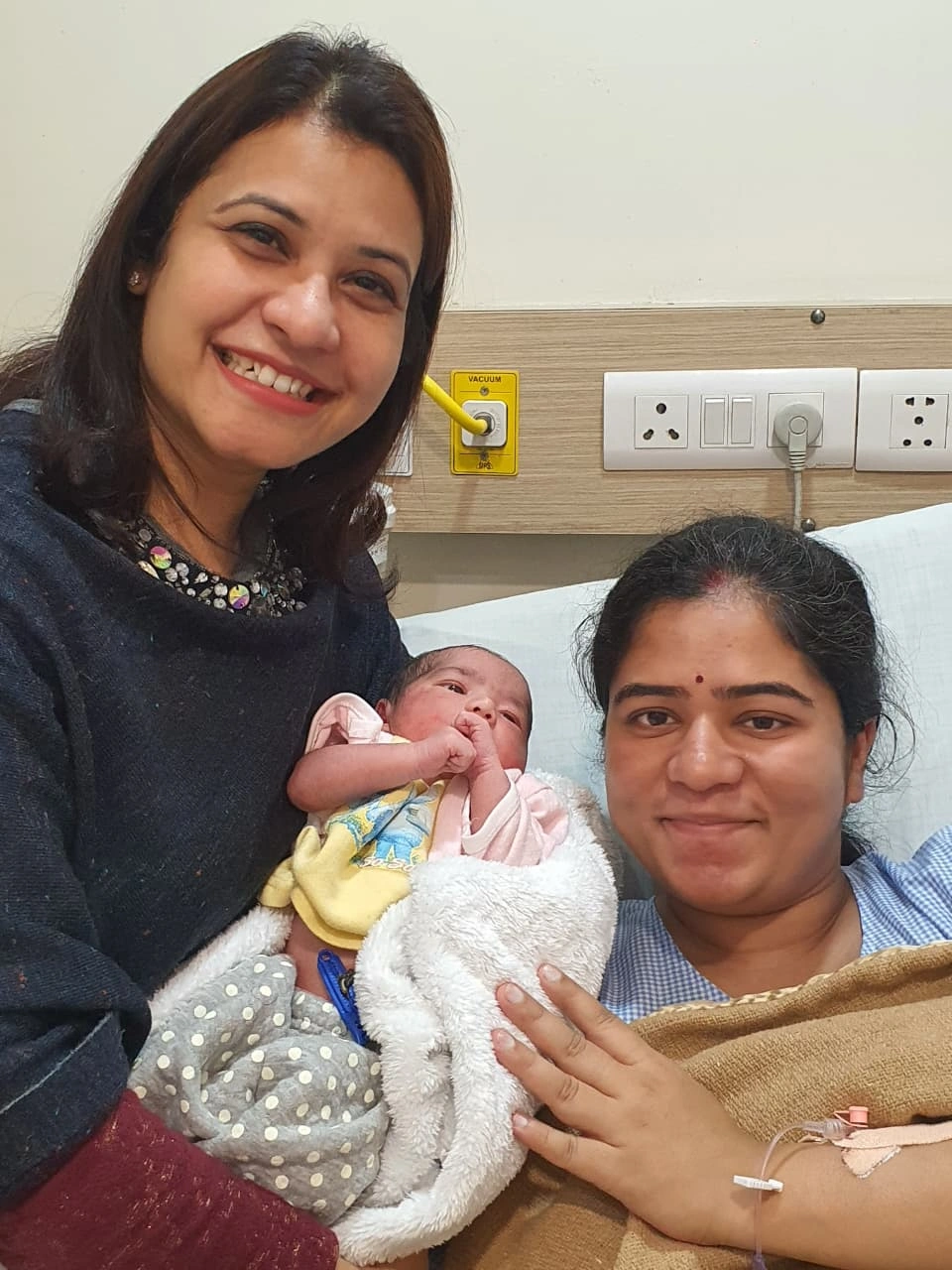
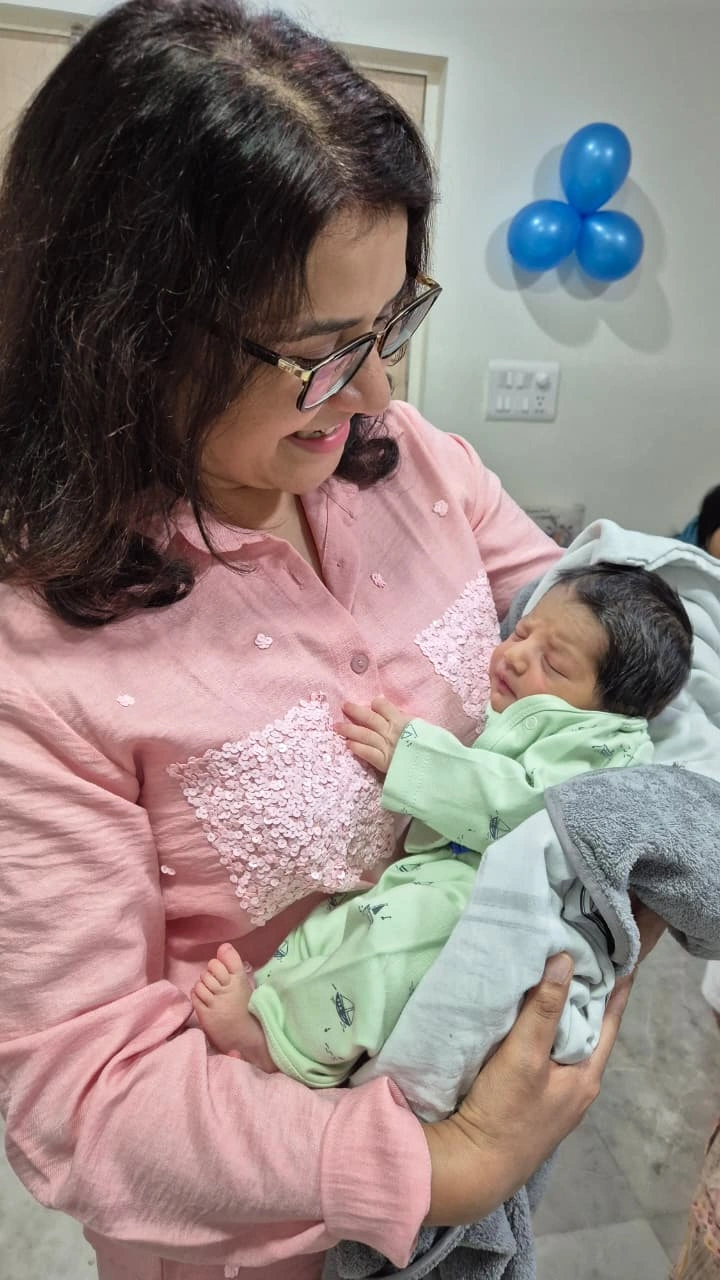
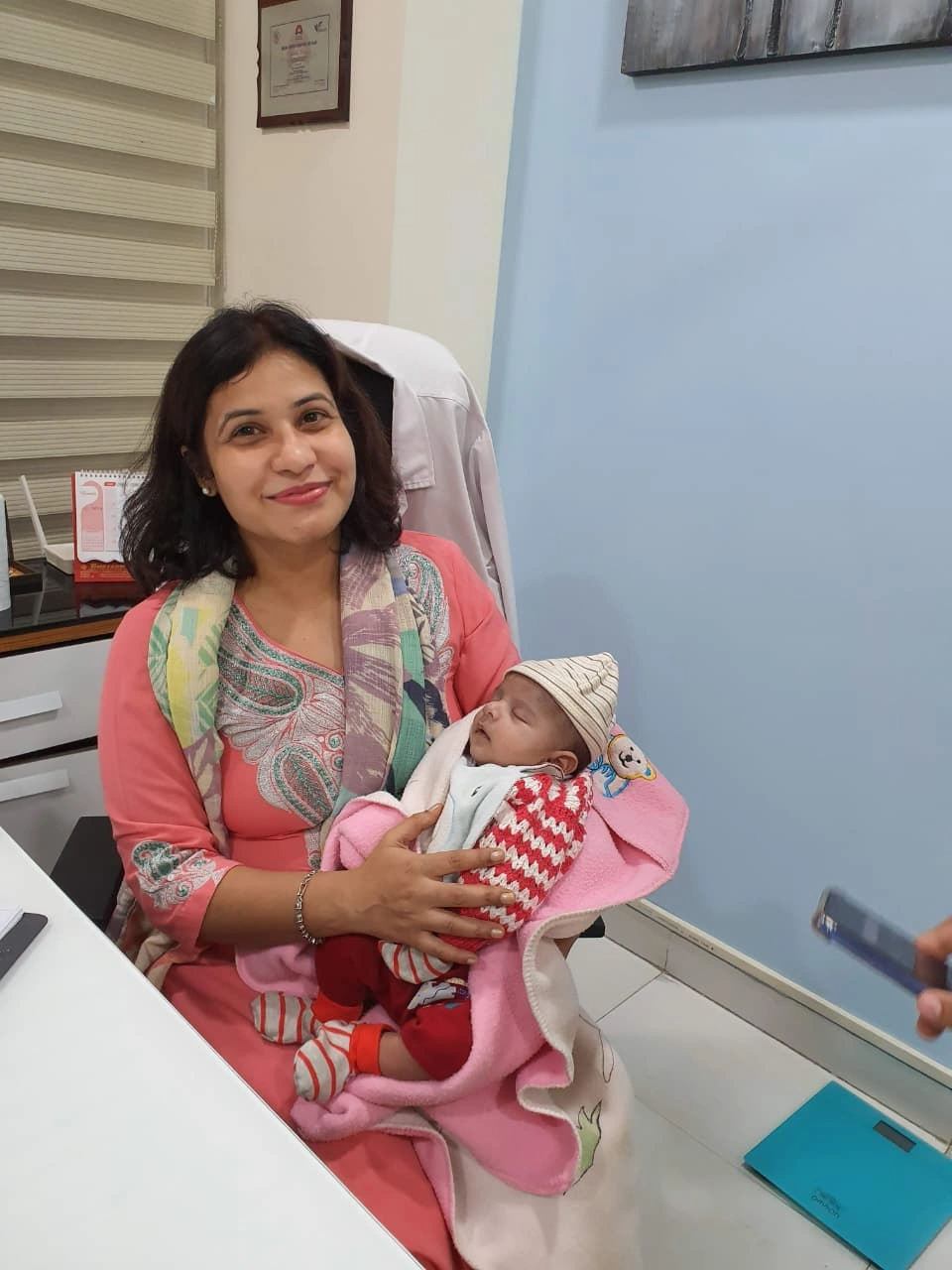
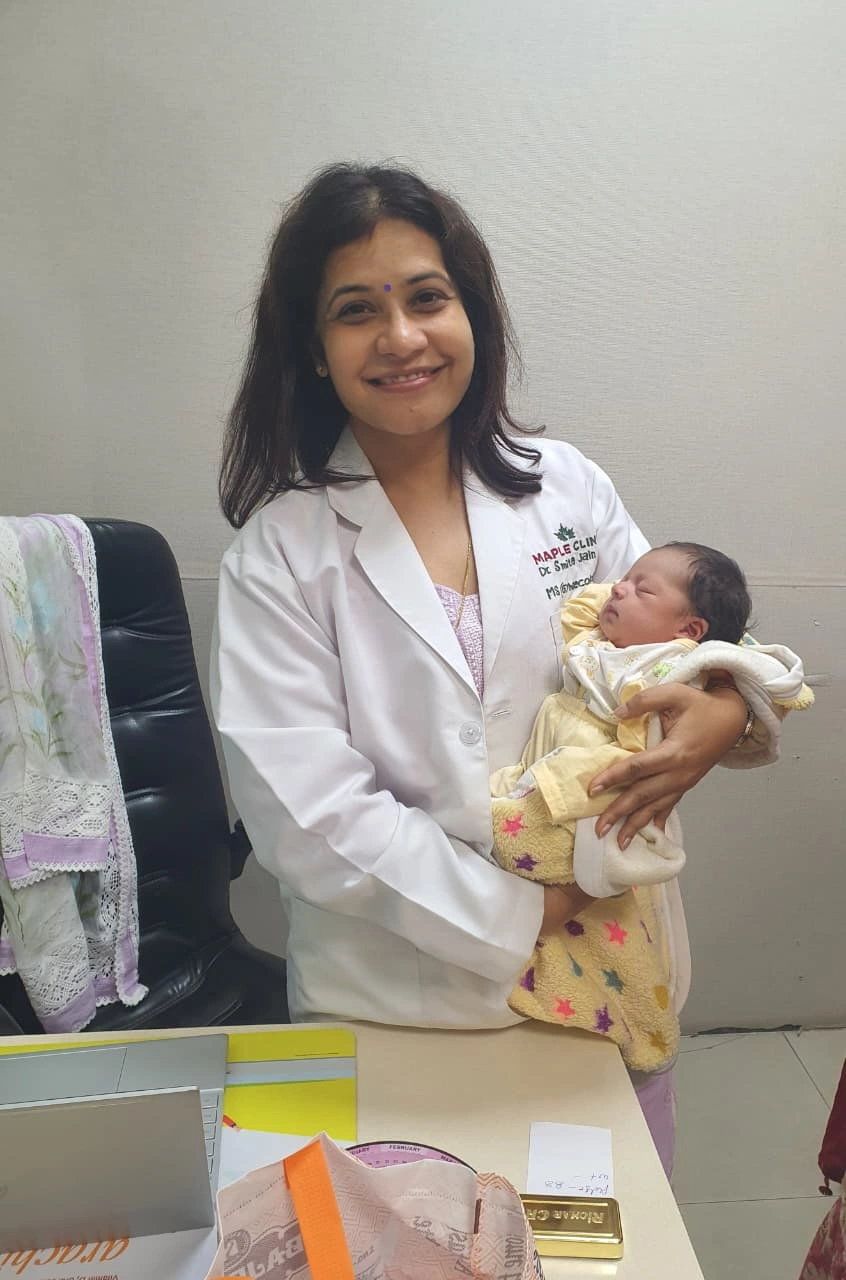
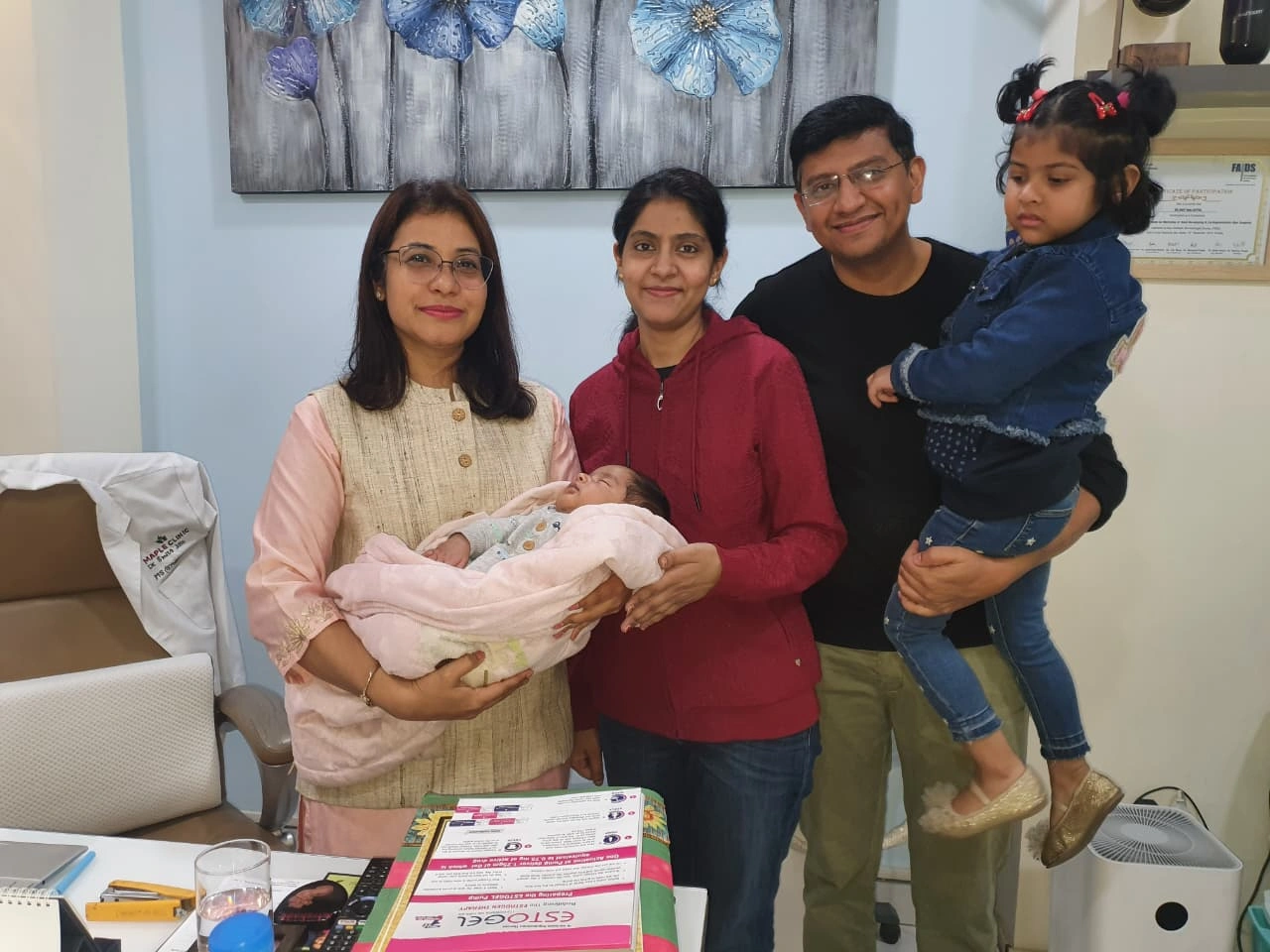
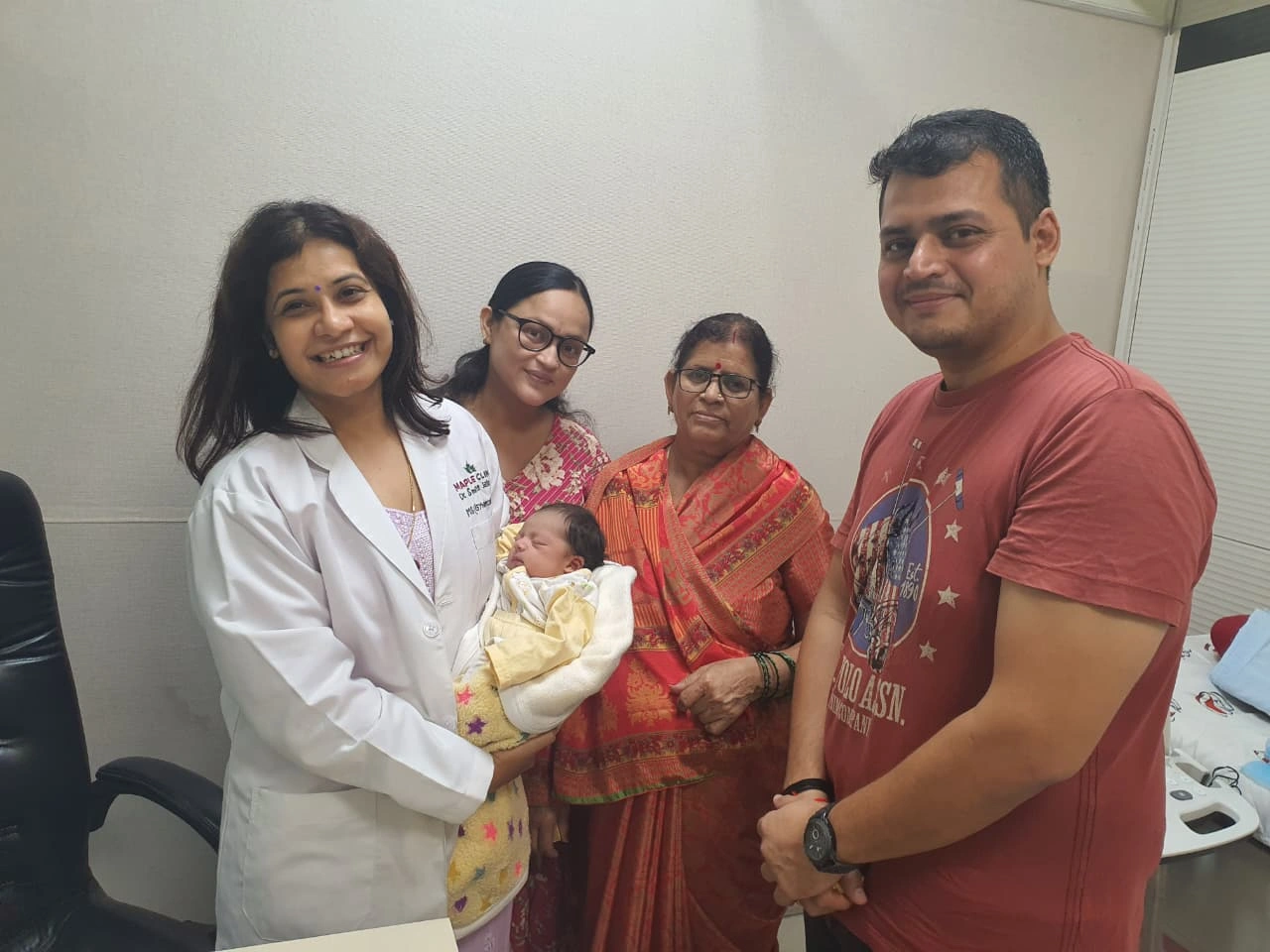
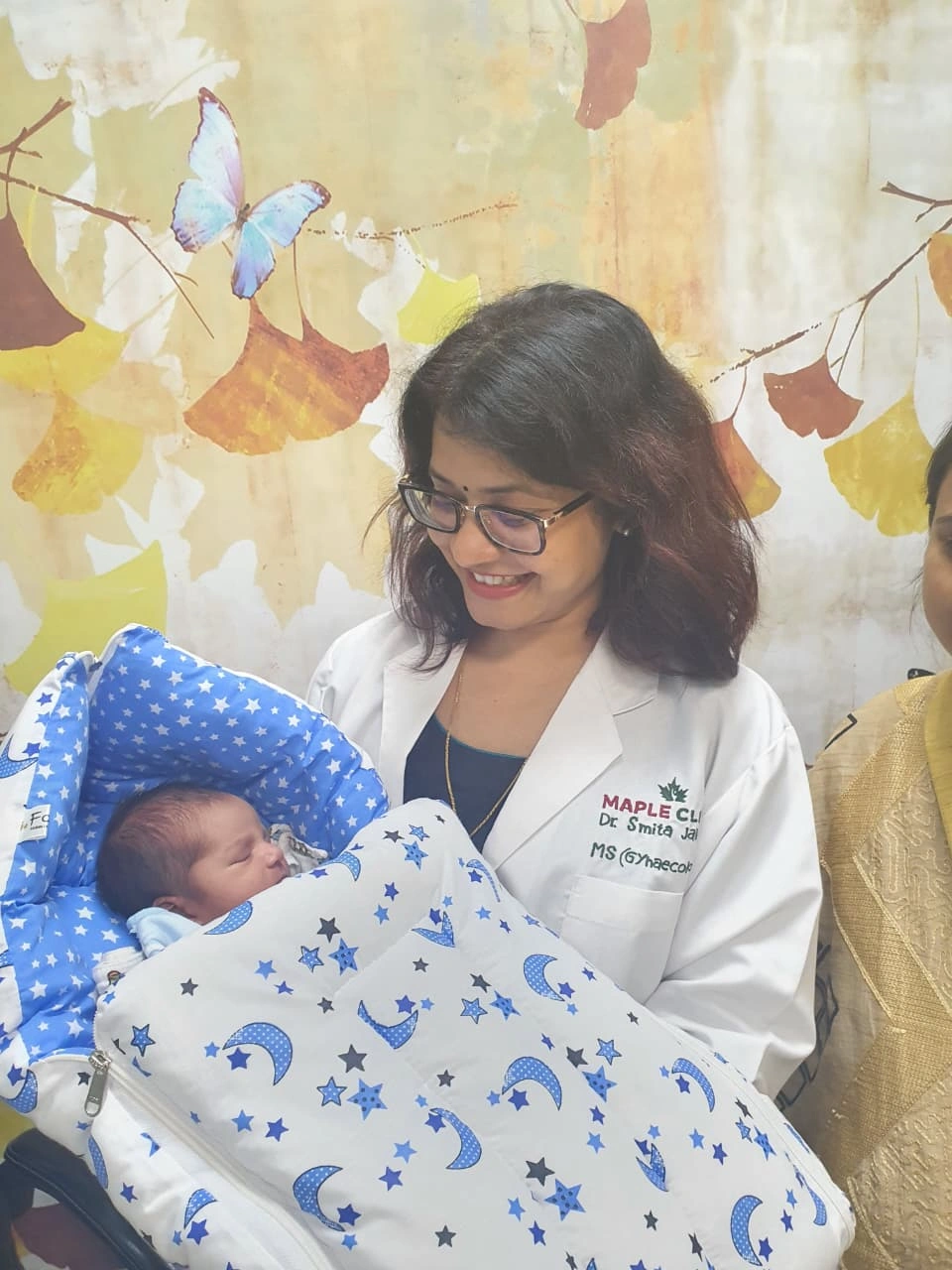
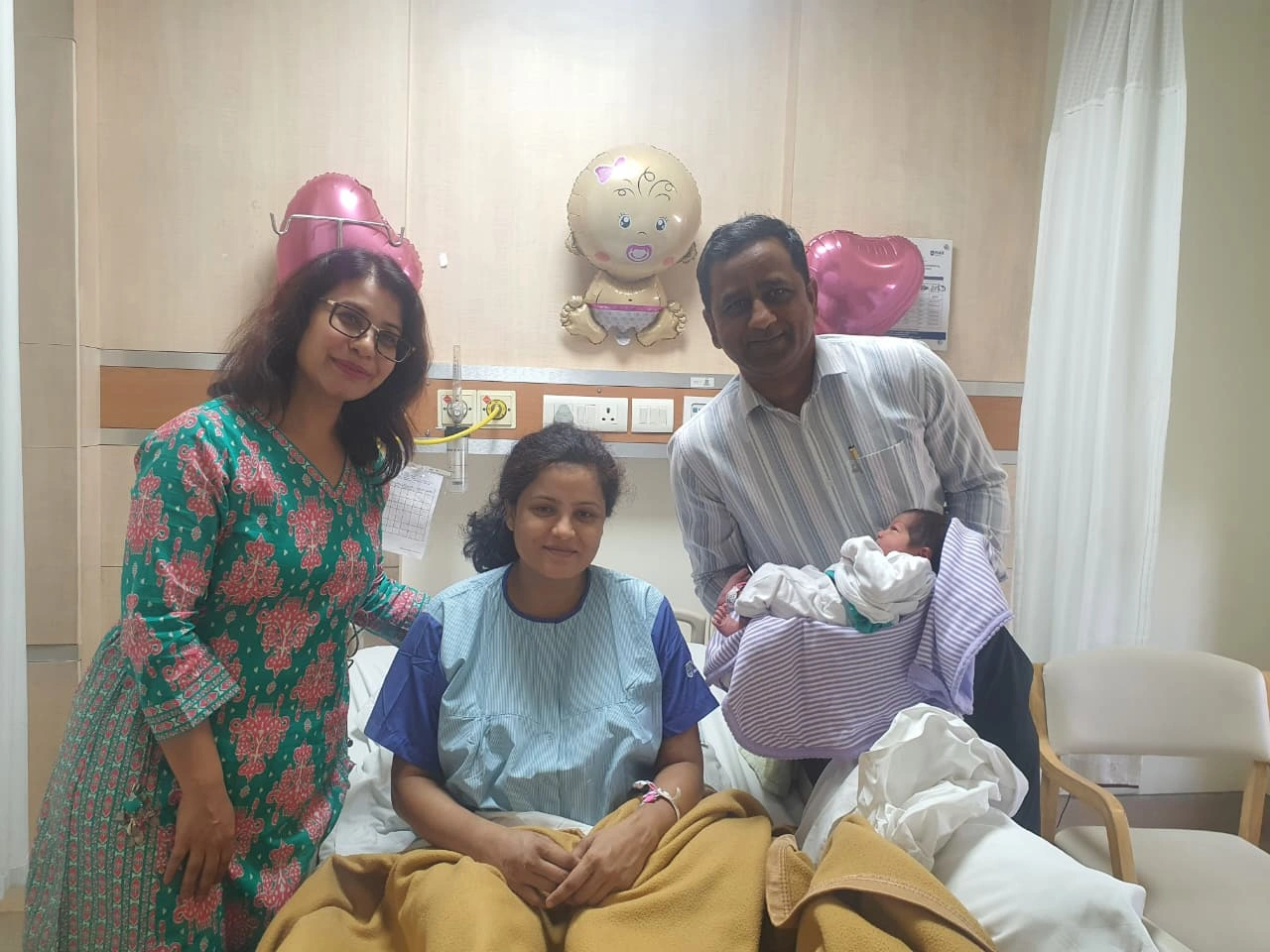
Every successful pregnancy is a story of hope, trust, and expert fertility care. Explore some of the beautiful moments shared by families who achieved parenthood with the guidance of Dr. Smita Jain.
Recognizing these symptoms early and consulting a fertility specialist can help identify the underlying cause and improve the chances of successful treatment.
Early consultation with a fertility specialist can help identify the cause of infertility and improve your chances of successful treatment.
Watch expert explanations, IVF treatment guidance, fertility tips, pregnancy care videos and real patient success stories.
A comprehensive fertility evaluation helps identify the underlying cause of infertility and guides the most appropriate treatment plan.
Assessing the menstrual cycle, reproductive history, structural history of pregnancies, and general health history can report potential areas of concern with fertility.
Certain hormones that impact ovulation and the quality of eggs and overall reproductive health are assessed using blood tests.
Imaging using ultrasound can assist in the assessment of the health of ovaries and the uterus, along with the assessment of the follicles, and reproductive disorders.
Analyzing the patterns of ovulation can assess the regularity and efficacy of the release of eggs.
Targeted testing can assess if there are any blockages or damage present in the fallopian tubes that may prevent pregnancy.
Based on the specific concerns and the medical history of the individual, further testing may be done to assess fertility.
To improve natural conception, ovulation-stimulating medications are prescribed.
Sperm is deposited into the uterus during ovulation.
Sperm and eggs are fertilised in the lab to make embryos which are then transferred to the uterus.
Education of available treatments to a couple to assist with their personal decision-making process.
During treatment, a patient's ovulation cycle, response, and other health factors will be consistently checked.
Opportunistic, individual treatment options that focus on the patient’s future fertility and reproductive health.
PCOS management primarily targets irregular menstrual cycle, hyperandrogenism, and infertility.
This may entail the use of several fertility drugs to promote ovulation.
This consists of reforms to diet and weight, and the promotion of a healthy lifestyle, all of which are important to reproductive health.
This involves regular monitoring of ovarian function and the response to treatment.
These may include IUI or IVF when the case demands it.
PCOS management primarily targets irregular menstrual cycle, hyperandrogenism, and infertility.
This may entail the use of several fertility drugs to promote ovulation.
This consists of reforms to diet and weight, and the promotion of a healthy lifestyle, all of which are important to reproductive health.
This involves regular monitoring of ovarian function and the response to treatment.
These may include IUI or IVF when the case demands it.
Ovulatory function is affected by being both underweight and overweight.
Hormonal and reproductive health can be supported by a healthy diet.
Elevated stress levels can disturb hormones and limit fertility.
Exercise plays a positive role in maintaining good health and wellness of reproductive function.
Both can adversely affect fertility and reproductive function.
Good sleep and a healthy routine promote good reproductive health.
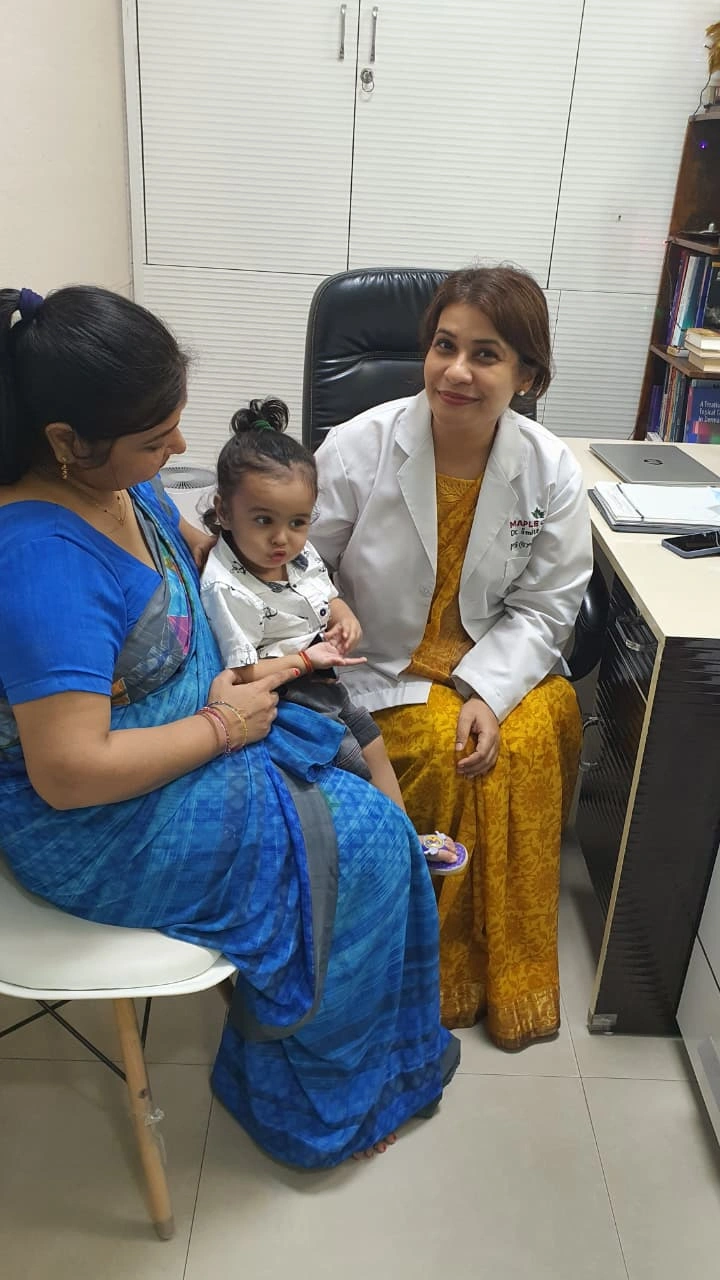
Dr. Smita Jain is a renowned Fertility Specialist and Gynecologist with more than 20 years of experience in managing women's health and reproductive health conditions. She provides specialized care for comprehensive infertility evaluation and personalized treatment plans tailored to each patient's needs.
With expertise in advanced reproductive technologies, Dr. Jain offers complete and holistic fertility care. Her personalized approach, ethical medical practices, and compassionate support help women and couples confidently move forward on their journey toward achieving a healthy pregnancy.
Find answers to the most commonly asked questions about female infertility, fertility evaluation, and treatment options.
Some primary factors include age, polycystic ovarian syndrome (PCOS), endometriosis, ovulation issues, blocked fallopian tubes, and hormonal issues.
Yes, the symptoms of PCOS lead to issues with conception due to problems with ovulation. Treatments and other fertility options may be needed.
A fertility specialist should be consulted after one year of trying to conceive without success through regular unprotected intercourse.
Common infertility evaluations include ultrasound scans, ovulation testing, tubal patency testing, and hormone testing.
Treatment success depends on several factors, including age, the underlying cause of infertility, and the treatment method used.
Lifestyle changes may help improve fertility in some cases, while others may require medications or medical interventions to achieve pregnancy.
IVF is an assisted reproductive technology used to treat infertility. Other options may include embryo transfer or fertility preservation, depending on individual needs.
The duration of fertility treatment varies depending on the cause of infertility, the treatment approach, and the individual's response to therapy.