If you are looking for expert Male Infertility Treatment in Ghaziabad, Dr. Smita Jain offers comprehensive fertility evaluation and personalized treatment plans to address male reproductive health concerns. With advanced diagnostic techniques and evidence-based fertility care, she helps identify the underlying causes of male infertility and improve the chances of successful conception and parenthood.
Male infertility is the inability to conceive a pregnancy after having consistent unprotected sex over time. It is often associated with issues with sperm quantity, quality, motility, or other conditions related to male reproductive health.
Male infertility can happen from several different things such as issues with hormones, genetics, and even infections. Several lifestyle choices can also contribute to male infertility. Early diagnosis of male infertility is important because the earlier it is diagnosed, the more likely you are to identify the cause. With the development of fertility care and assisted reproductive techniques, many men can overcome the issues of male infertility.
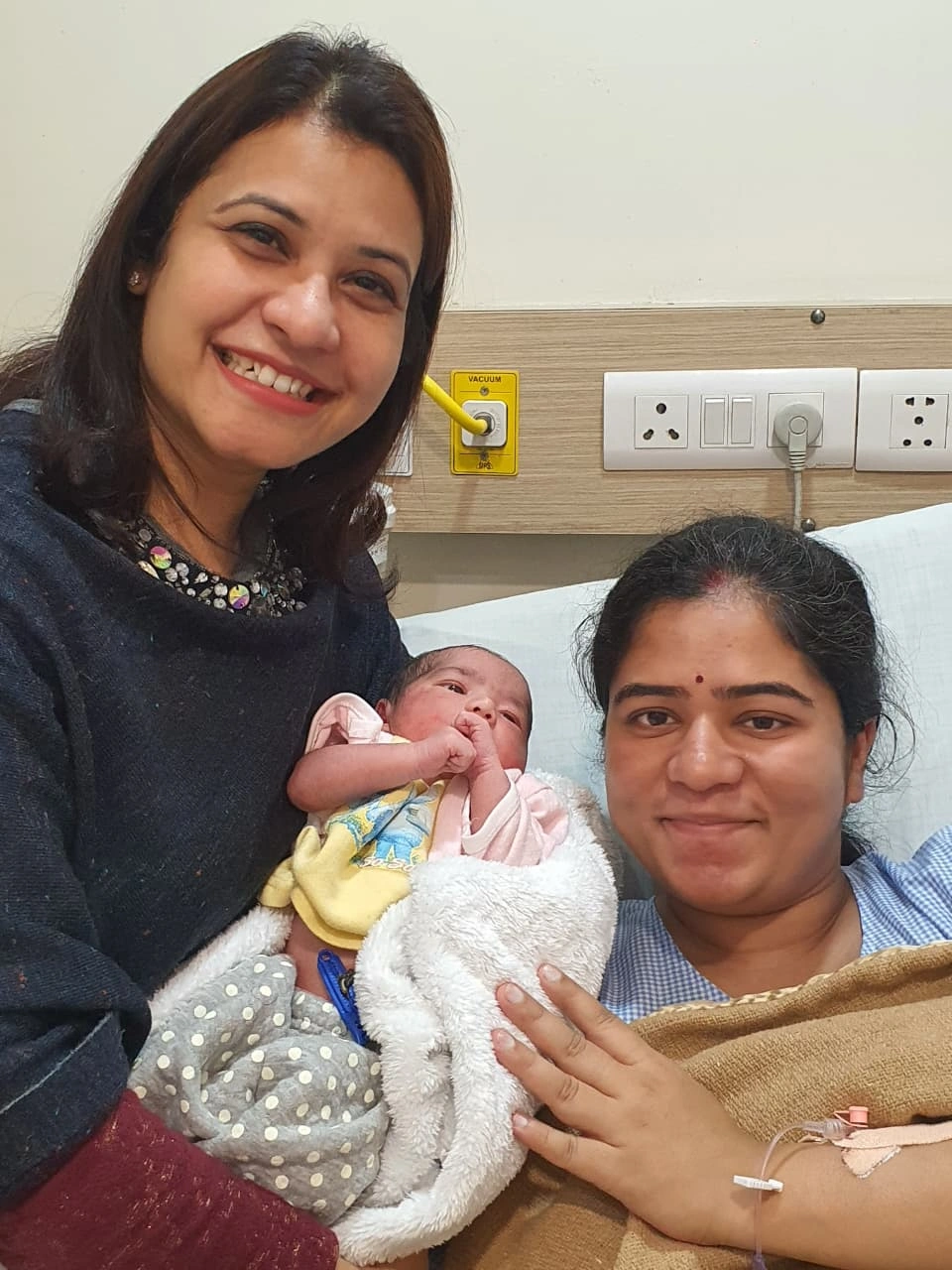
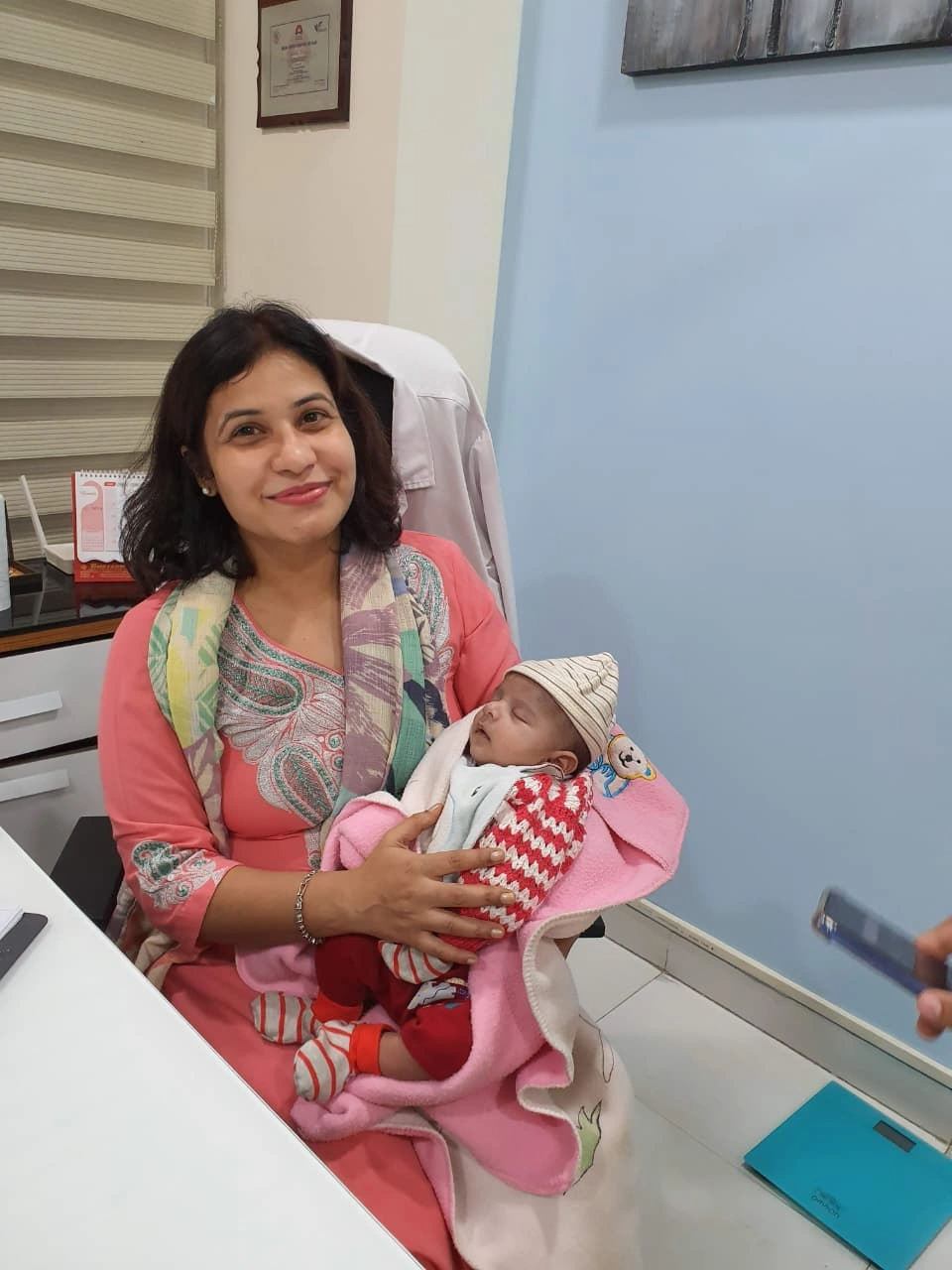
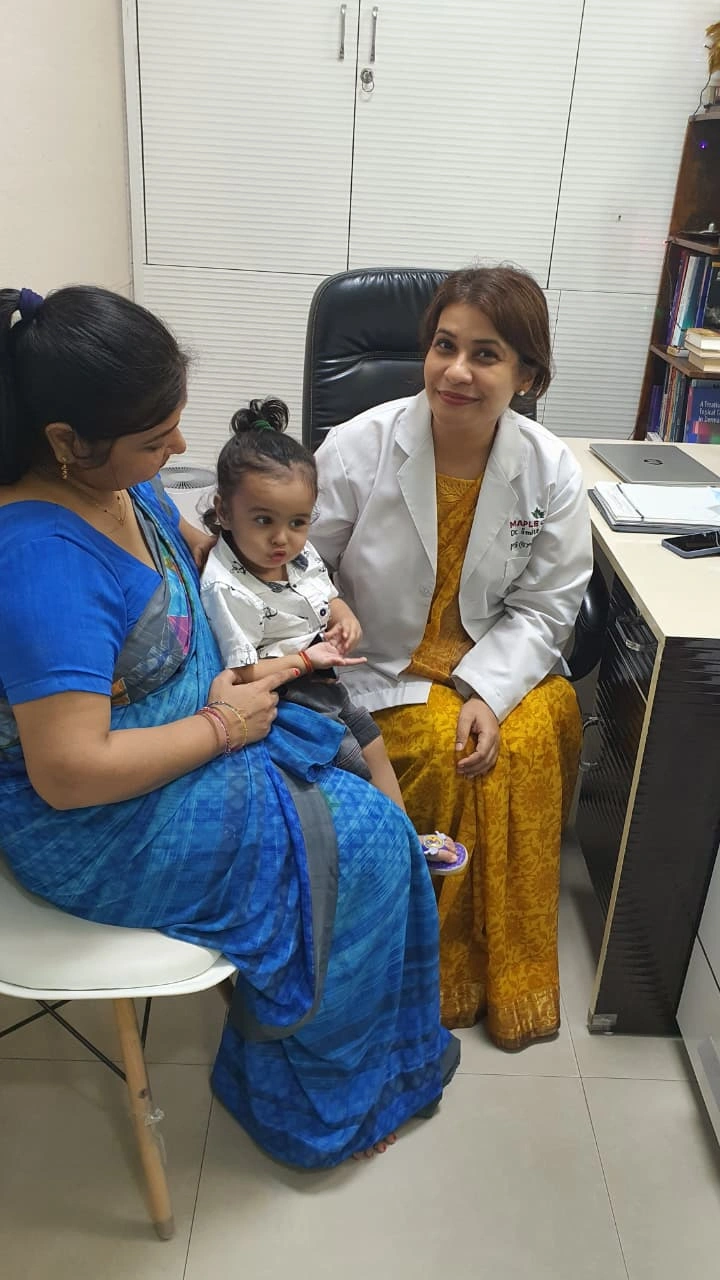
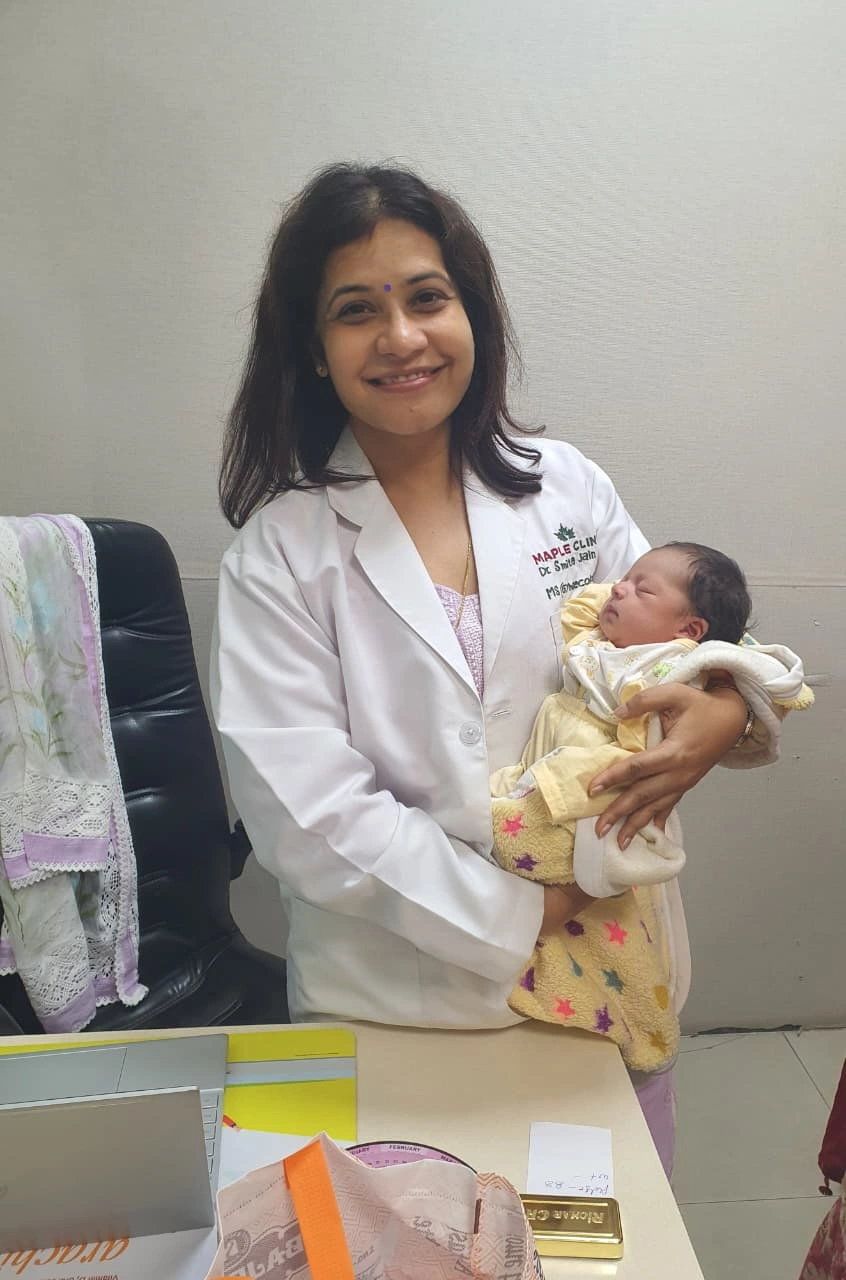
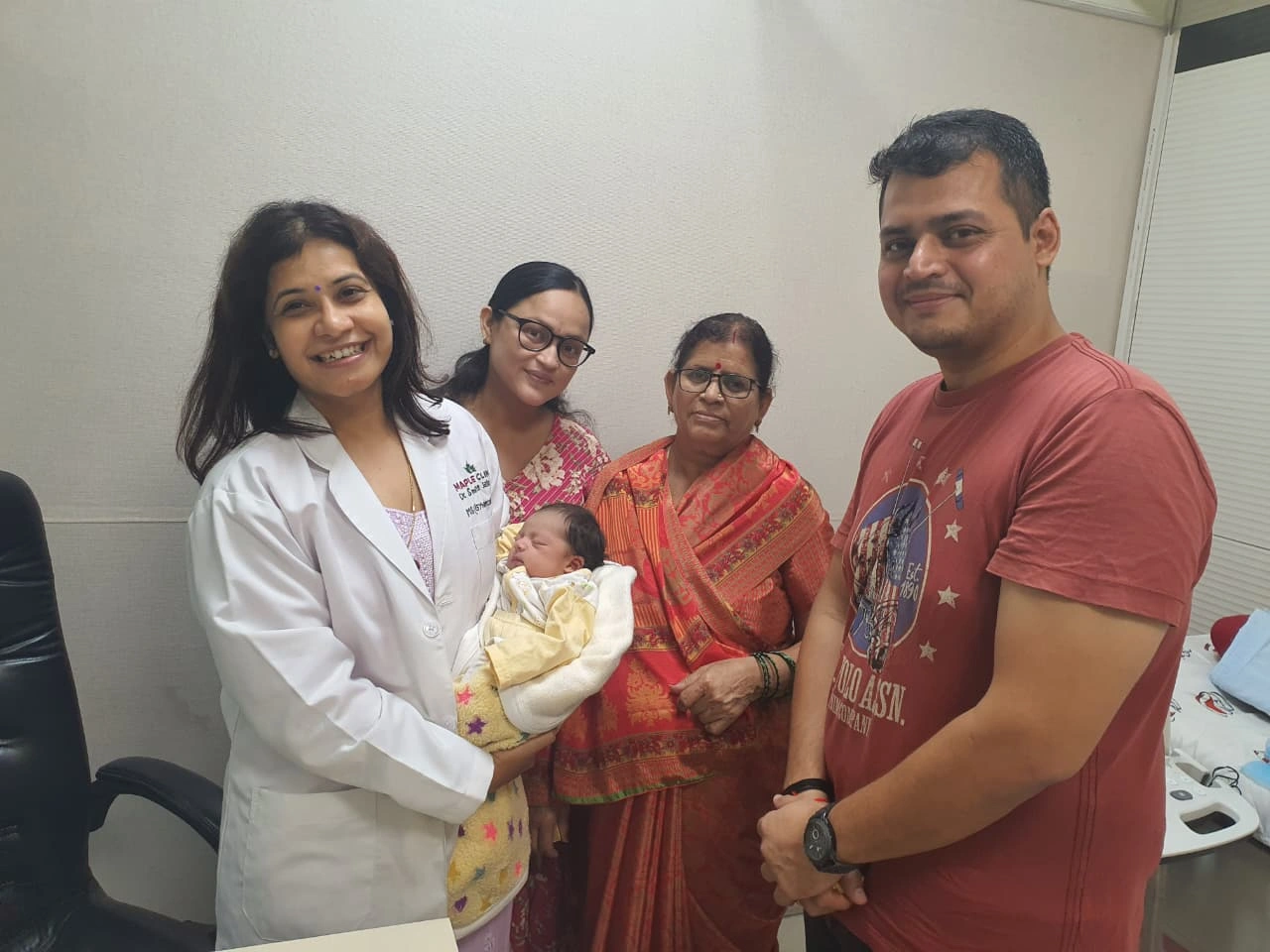
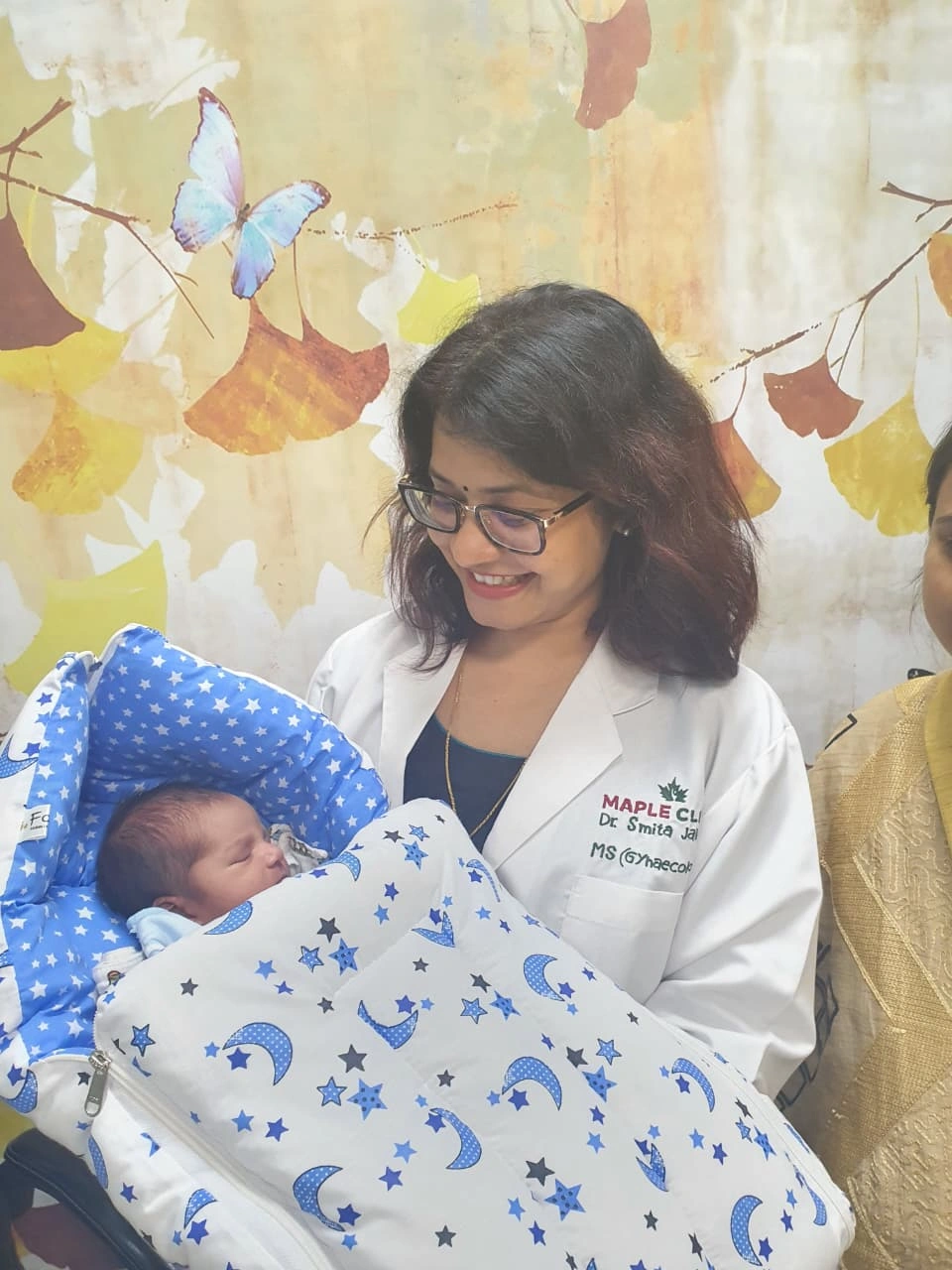
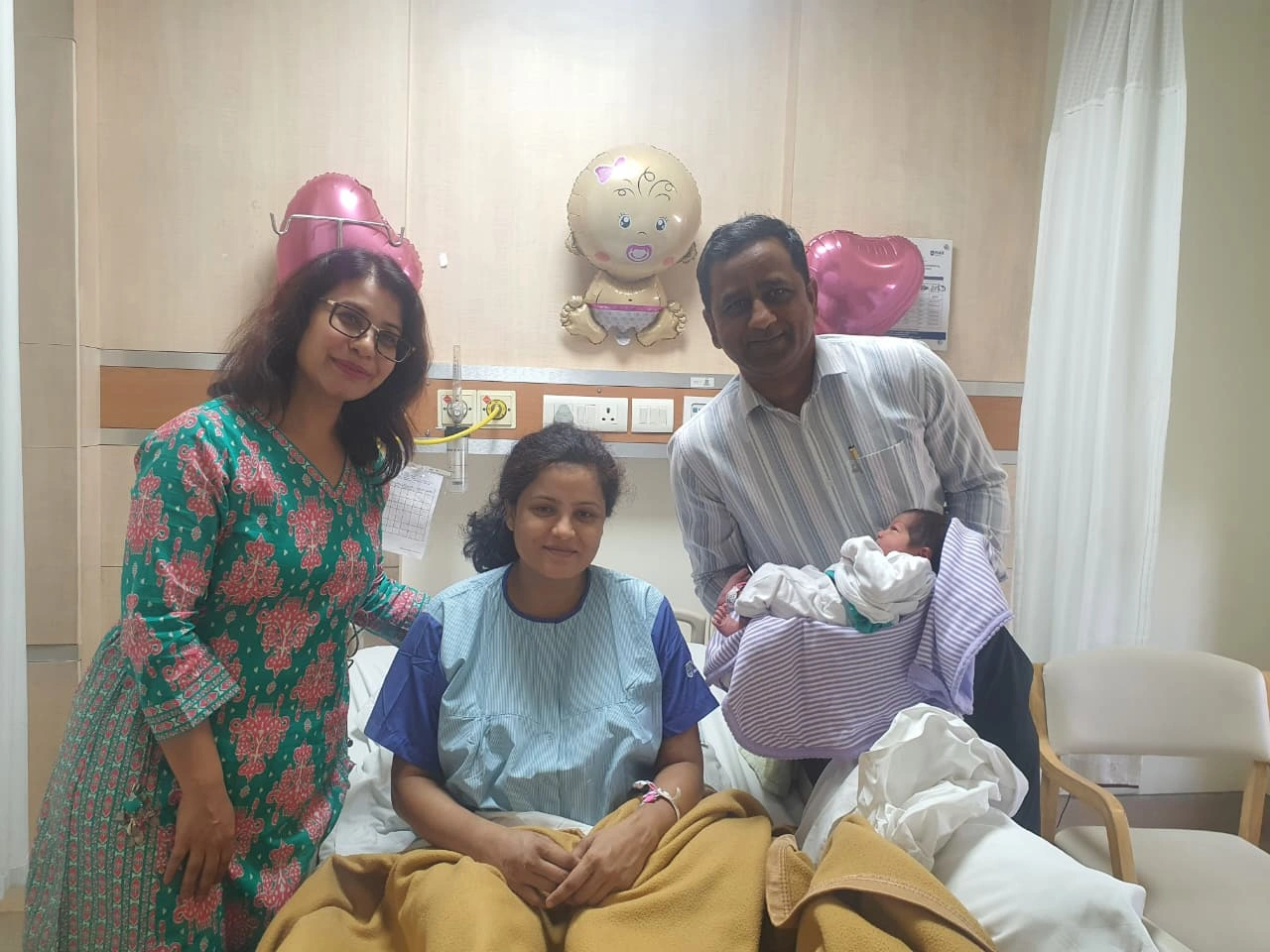
Every successful pregnancy is a story of hope, trust, and expert fertility care. Explore some of the beautiful moments shared by families who achieved parenthood with the guidance of Dr. Smita Jain.
Identifying these symptoms early and consulting a fertility specialist can help diagnose the underlying cause and improve treatment outcomes.
Early consultation with a fertility specialist can help identify the underlying cause of male infertility and improve the chances of successful treatment.
Watch expert explanations, IVF treatment guidance, fertility tips, pregnancy care videos and real patient success stories.
A thorough fertility evaluation helps identify the underlying cause of male infertility and supports the development of the most effective treatment plan.
The evaluation of the patient’s lifestyle, any diseases present, reproductive history, and past fertility issues is done.
This analysis is carried out comprehensively to determine the quality and characteristics of sperm.
The analysis of blood hormones that affect fertility and sperm production is performed.
A health check is performed to diagnose varicocele, among others, and reproductive problems.
Further tests for determining the possible reasons for fertility problems may be performed.
Diagnostic imaging may be recommended to evaluate the reproductive organs and identify any structural abnormalities affecting fertility.
Treatment that targets hormonal imbalances, infections, and other problematic underlying causes of infertility.
Assistance based on customized plans to improve overall health, reproductive health, and beneficial habits that promote fertility.
A fertility treatment intervention that is an option for some cases of mild male infertility.
A complex treatment option for couples who face significant infertility challenges.
A specialized fertility technique in which a single healthy sperm is injected directly into an egg. It is recommended for severe male infertility.
Holistic fertility guidance for couples who want to explore the most suitable treatment options.
Healthy lifestyle choices can improve sperm health, reproductive function, and overall fertility potential.
Sedentary lifestyles may contribute to reduced fertility and overall health.
Having tobacco leads to an unfortunate impact on vital health as well as male fertility.
Excessive alcohol consumption may lead to changes in male hormones and a reduced sperm count.
Excess body weight may have an impact on fertility and hormonal balance.
The quality of male sperm and reproductive health may be impacted by stress.
Poor dietary choices can reduce fertility and negatively affect healthy sperm function.
The use of IUI can prove beneficial for certain cases with slight male fertility problems.
IVF is usually suggested when traditional fertility therapies have failed to yield any positive results.
ICSI proves effective when severe male infertility problems or poor-quality sperm are involved.
Techniques for achieving fertility through assistance depend upon the individual’s fertility analysis.
Dr. Smita Jain offers complete fertility assessment and treatment to couples facing male infertility. With more than 20 years of experience in reproductive health and fertility care, she focuses on identifying the underlying cause of male infertility and developing personalized treatment solutions for every couple.
Her expertise in assisted reproductive techniques, fertility care, and reproductive health management ensures comprehensive support throughout the treatment journey. Through ethical medical practices, compassionate counseling, and evidence-based fertility care, Dr. Smita Jain helps couples confidently move toward achieving their dream of parenthood.
Find answers to the most commonly asked questions about male infertility, fertility evaluation, and treatment options.
Male infertility can result from low sperm count, poor sperm motility, hormonal imbalances, varicocele, genetic conditions, infections, and unhealthy lifestyle habits.
Yes. Depending on the underlying cause, treatment may include medications, lifestyle modifications, or medical procedures to improve fertility.
Common male fertility tests include semen analysis, hormonal evaluation, physical examination, and additional fertility investigations when required.
Yes. Smoking, excessive alcohol intake, obesity, poor nutrition, and unmanaged stress can negatively affect sperm quality and fertility.
A semen analysis is used to determine whether sperm count falls within the normal healthy range and to assess overall sperm quality.
Not always. Many causes of male infertility can be successfully treated or managed with appropriate medical care and lifestyle changes.
IVF may be recommended when male infertility is severe or when other fertility treatments have not resulted in a successful pregnancy.
Yes. Chronic stress can affect hormone levels, reduce sperm quality, and negatively influence male fertility.