Home / Services / Ovarian Cyst Treatment

Ovarian Cyst Treatment in Ghaziabad

If you are looking for expert Ovarian Cyst Treatment in Ghaziabad, Dr. Smita Jain provides accurate diagnosis and personalized treatment for various types of ovarian cysts. With advanced gynecological care and a patient-focused approach, she helps manage symptoms, protect reproductive health, and prevent potential complications effectively.

Book a Consultation

What are Ovarian Cysts?

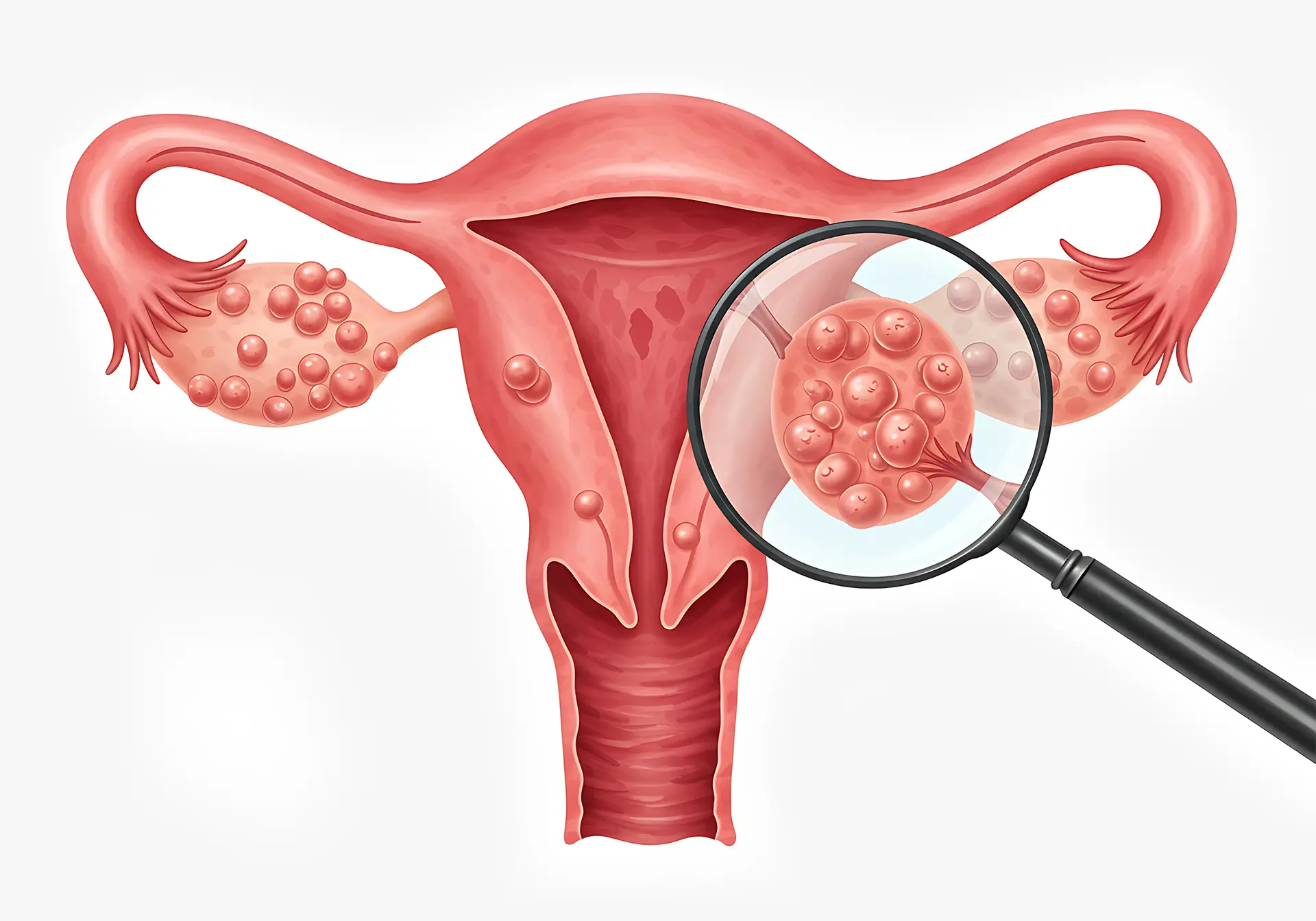
Ovarian cysts are fluid-filled sacs that develop on or near the ovaries. They are commonly detected during routine gynecological examinations and frequently occur in women during their reproductive years. Most ovarian cysts are harmless and resolve on their own, but some may cause pain, menstrual irregularities, or fertility-related concerns.

Treatment depends on the type, size, and symptoms of the cyst. Early diagnosis and regular monitoring help prevent complications and protect ovarian health. Personalized treatment ensures effective symptom relief while preserving fertility whenever possible.

Symptoms of Ovarian Cysts

Pelvic pain or discomfort, especially during menstrual periods.
Irregular menstrual cycles.
Pain during sexual intercourse or physical activities.
Frequent urination due to pressure on nearby organs.
Abdominal bloating or a feeling of fullness.
Difficulty conceiving in some women with large or complex ovarian cysts.

Types of Ovarian Cysts

Functional Cysts

The most common type of ovarian cysts that develop as part of the normal menstrual cycle and ovulation process.

Corpus Luteum Cysts

These cysts develop after ovulation and may sometimes cause pelvic pain or discomfort.

Dermoid Cysts

Benign ovarian tumors that may contain different types of tissue and are diagnosed using ultrasound and other imaging tests.

Endometriomas

Ovarian cysts associated with endometriosis that may affect ovarian function and fertility.

Cystadenomas

Fluid-filled growths that develop on the surface of the ovary and may increase significantly in size.

Complex Ovarian Cysts

These cysts contain both fluid and solid components and require careful medical evaluation.

When Should You Consult a Gynecologist?

Early consultation with a gynecologist helps diagnose ovarian cysts, relieve symptoms, and prevent potential complications while protecting your reproductive health.

Persistent pelvic or lower abdominal pain
Frequent abdominal bloating or a feeling of fullness
Difficulty conceiving or fertility-related concerns
Sudden, severe pelvic pain requiring immediate medical attention
Irregular menstrual cycles or unexplained changes in periods
Ovarian cysts detected during routine gynecological check-ups

Watch Our Expert Videos

Watch expert explanations, IVF treatment guidance, fertility tips, pregnancy care videos and real patient success stories.

IVF Treatment Explained by Dr. Smita Jain

Pregnancy Care & Fertility Guidance

Patient Success Story | IVF Journey

OVARIAN CYST DIAGNOSIS

Ovarian Cyst Diagnosis

A thorough evaluation helps determine the type, size, and cause of an ovarian cyst, allowing the most appropriate treatment plan to be recommended.

Evaluation of Medical History

A detailed history of symptoms, menstrual cycles, and reproductive health is reviewed. Many ovarian cysts may be asymptomatic and are detected during routine ultrasound examinations.

Physical Examination

A gynecological examination is performed to assess pelvic health and identify any cystic swelling or tenderness that may require further evaluation.

Pelvic Ultrasound

A pelvic ultrasound is used to determine the size, location, and characteristics of the ovarian cyst and guide further management.

Hormonal Tests

Blood tests may be recommended to evaluate hormone levels and identify hormonal conditions that could contribute to ovarian cyst formation.

Fertility Testing

Women planning pregnancy may undergo fertility evaluation to determine whether ovarian cysts are affecting reproductive health.

Advanced Testing

Additional investigations such as MRI of the pelvis and tumor marker tests may be advised to determine the nature of complex ovarian cysts and plan appropriate treatment.

Ovarian Cyst Treatments We Offer

Observation and Monitoring

Small, simple functional ovarian cysts can often be managed with regular follow-up visits and periodic ultrasound examinations.

Medical Management

Medications may be prescribed to relieve symptoms, reduce pain, and help restore hormonal balance.

Hormonal Therapy

Hormonal treatment may help regulate the menstrual cycle and reduce the risk of developing certain types of ovarian cysts.

Fertility-Oriented Treatment

Specialized treatment is provided for women with ovarian cysts who wish to preserve or improve their fertility.

Laparoscopic Ovarian Cyst Excision

Selected ovarian cysts are removed using minimally invasive laparoscopic surgery, involving drainage of the cyst and removal of its wall.

Individualized Gynecological Treatment

Every treatment plan is personalized based on the patient's symptoms, type of cyst, age, and future reproductive goals.

Ovarian Cysts & Fertility

Type, size, and the effect on function may impact the fertility potential of some ovarian cysts. Endometriomas and larger ovarian cysts can potentially affect the process of ovulation, the quality of the released oocyte, and the general reproductive health of women.

For women with infertility, an infertility workup is suggested. Of note, ovarian cysts may impact the ability to conceive. Protecting the function of the ovary may help with the fertility potential of women if treated early.

Ovarian Cysts and Fertility

Complications of Untreated Ovarian Cysts

Pelvic Pain

Large ovarian cysts can cause persistent pelvic pain and discomfort that may interfere with daily activities.

Torsion of Ovary

Ovarian cysts can cause the ovary to twist (ovarian torsion), resulting in severe pain that requires immediate medical attention.

Cyst Rupture

A ruptured ovarian cyst can lead to sudden, severe pelvic pain and may require urgent medical treatment.

Menstrual Problems

Certain ovarian cysts may cause hormonal imbalance, leading to irregular or abnormal menstrual cycles.

Reproductive Health Issues

Some ovarian cysts may interfere with ovulation and affect fertility or overall reproductive health.

Lowering of the Quality of Life

Ongoing symptoms of ovarian cysts can significantly affect physical comfort, emotional well-being, and overall quality of life.

Complications of Untreated Ovarian Cysts

Benefits of Early Ovarian Cyst Treatment

Helps identify the type of ovarian cyst and its underlying cause before complications develop.
Reduces the risk of cyst enlargement, rupture, and ovarian torsion.
Supports better reproductive and hormonal health.
Provides relief from pelvic pain, abdominal bloating, and menstrual irregularities.
Facilitates fertility evaluation for women planning pregnancy.
Provides timely access to appropriate medical or surgical treatment when required.

Why Choose Dr. Smita Jain for Ovarian Cyst Treatment in Ghaziabad?

With over 20 years of experience, Dr. Smita Jain is a trusted Gynecologist and Fertility Specialist with extensive expertise in diagnosing and treating ovarian cysts. She develops individualized treatment plans based on a detailed clinical evaluation, diagnostic findings, the type and size of the cyst, and each patient's symptoms and reproductive goals.

Dr. Jain's approach focuses on preserving reproductive health, relieving symptoms, and addressing fertility concerns whenever required. With more than two decades of experience in women's health and fertility care, she combines advanced diagnostic techniques with compassionate, evidence-based treatment to help women achieve the best possible gynecological and reproductive outcomes.

Book Consultation

FAQs About Ovarian Cyst Treatment
in Ghaziabad

Find answers to the most commonly asked questions about ovarian cysts, their symptoms, diagnosis, treatment, and fertility.

Common symptoms include pelvic pain, abdominal bloating, irregular menstrual periods, abdominal discomfort, and fertility-related concerns. Some ovarian cysts may not cause any symptoms and are detected during routine examinations.

Yes. Certain types of ovarian cysts, depending on their size and severity, may interfere with ovulation and affect fertility. A fertility evaluation can help determine their impact.

Most ovarian cysts are harmless and resolve naturally. However, some cysts may require medical evaluation and treatment if they are large, persistent, or have suspicious features.

Ovarian cysts are usually diagnosed through a pelvic examination and pelvic ultrasound. Additional tests such as MRI or blood investigations may be recommended when necessary.

No. Many ovarian cysts can be monitored with regular follow-up or treated medically. Surgery is recommended only when clinically necessary.

Yes. Many functional ovarian cysts disappear on their own over time without requiring any treatment.

It is a minimally invasive surgical procedure used to remove selected ovarian cysts while preserving healthy ovarian tissue, resulting in less pain and faster recovery.

PCOS is associated with multiple small ovarian follicles caused by hormonal imbalance. It is not a single ovarian cyst but a characteristic appearance of the ovaries due to multiple immature follicles.

Call Now WhatsApp