Home / Services / Laparoscopic Gynecology Surgery

Laparoscopic Gynecology Surgery in Ghaziabad

If you are looking for advanced Laparoscopic Gynecology Surgery in Ghaziabad, Dr. Smita Jain provides minimally invasive surgical solutions for various gynecological conditions. Using modern laparoscopic techniques, she helps women benefit from smaller incisions, reduced pain, quicker recovery, and improved treatment outcomes while prioritizing their reproductive and overall health.

Book a Consultation

What is Laparoscopic Gynecology Surgery?

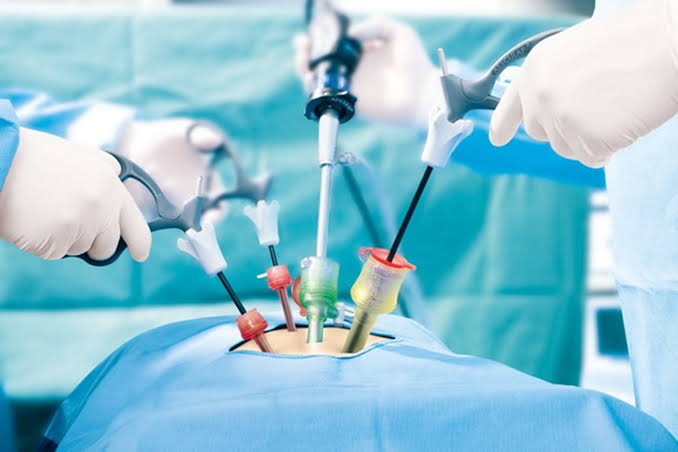
Laparoscopic gynecology surgery is a minimally invasive surgical procedure performed through small incisions in the abdomen. A tiny camera (laparoscope) and specialized surgical instruments are inserted through these incisions, allowing the gynecologist to clearly view the pelvic organs and perform treatment with minimal tissue damage.

Compared with traditional open surgery, laparoscopic surgery causes less pain, smaller scars, shorter hospital stays, and faster recovery. It is commonly used to treat a wide range of gynecological conditions, including fibroids, ovarian cysts, endometriosis, infertility-related disorders, and other reproductive health problems, helping patients return to their normal routine more quickly.

Conditions Treated with Laparoscopic Gynecology Surgery

Ovarian cysts that cause pain and discomfort.
Uterine fibroids that affect menstrual health and fertility.
Endometriosis causing pelvic pain and infertility.
Blocked fallopian tubes that interfere with conception.
Chronic pelvic pain requiring diagnosis and treatment.
Selected reproductive organ disorders requiring minimally invasive surgery.

Types of Laparoscopic Gynecology Procedures

Ovarian Cyst Removal via Laparoscopy

A minimally invasive procedure to remove ovarian cysts while preserving healthy ovarian tissue whenever possible.

Myomectomy via Laparoscopy

A laparoscopic procedure performed to remove uterine fibroids while preserving the uterus and future fertility.

Endometriosis Treatment via Laparoscopy

A minimally invasive surgical treatment to remove or treat endometriosis and relieve associated pelvic pain and infertility.

Tubal Surgery via Laparoscopy

A laparoscopic procedure used to treat selected fallopian tube conditions that may affect reproductive function.

Diagnostic Laparoscopy

A procedure performed to diagnose selected gynecological conditions that cannot be identified through routine investigations.

Hysterectomy via Laparoscopy

A minimally invasive procedure for the removal of the uterus using a laparoscopic surgical approach.

Who Needs Laparoscopic Gynecology Surgery?

  • Women suffering from chronic pelvic pain.
  • People suffering from ovarian cysts, fibroids, or endometriosis.
  • Infertile women suffering from problems with the reproductive system.
  • Women with obstructed fallopian tubes preventing conception.
  • Women who need minimally invasive treatment for their gynecological conditions.

Benefits of Laparoscopic Surgery

  • The use of smaller cuts compared to open surgery.
  • Less pain experienced after surgery.
  • Decreased hospital stay and faster healing time.
  • Reduced chances of significant blood loss during surgery.
  • Fewer and smaller scars after the procedure.
  • Faster return to work and normal daily activities.

Watch Our Expert Videos

Watch expert explanations, IVF treatment guidance, fertility tips, pregnancy care videos and real patient success stories.

IVF Treatment Explained by Dr. Smita Jain

Pregnancy Care & Fertility Guidance

Patient Success Story | IVF Journey

Laparoscopic Surgery for Infertility

Laparoscopic surgery plays an important role in both the diagnosis and treatment of infertility. It helps identify conditions such as blocked fallopian tubes, ovarian cysts, pelvic adhesions, and endometriosis, all of which can interfere with a woman's ability to conceive naturally.

By treating these conditions through minimally invasive surgery, laparoscopy can improve reproductive health and increase the chances of natural conception or successful fertility treatment. A personalized fertility evaluation helps determine whether laparoscopic surgery is the most suitable option for your condition.

Laparoscopic Surgery for Infertility

Laparoscopic Surgery Procedure

Pre-surgery Procedure

A complete medical evaluation and necessary diagnostic tests are performed before surgery to plan the procedure safely.

Procedure of Anesthesia

Laparoscopic gynecology surgery is generally performed under general anesthesia for maximum patient comfort.

Making Small Cuts

Small incisions are made in the abdomen to insert the laparoscope and specialized surgical instruments.

Diagnosis and Treatment

The affected area is carefully examined and treated using minimally invasive laparoscopic techniques.

End of Procedure

After the surgery is completed, the instruments are removed and the small incisions are closed.

Post-surgery Recovery & Care

Follow-up appointments and post-operative care are provided to ensure proper healing and a smooth recovery.

Laparoscopic Surgery Procedure

Recovery After Laparoscopic Gynecology Surgery

Early Recovery

Most patients are able to return home shortly after the laparoscopic procedure is completed.

Pain Control

Post-operative discomfort is usually mild and can be effectively managed with medications prescribed by your doctor.

Physical Activity

Light physical activities can usually be resumed under your doctor's guidance to promote a smooth recovery.

Follow-Up

Regular follow-up visits help monitor healing and ensure a safe and successful recovery after surgery.

Nutrition & Fluid Intake

A healthy diet and adequate fluid intake support faster healing and overall recovery after the procedure.

Return to Everyday Activities

Most women can return to their normal daily activities much sooner compared to traditional open surgery.

Risks & Complications of Laparoscopic Surgery

Laparoscopic gynecology surgery is generally a safe procedure. However, as with any surgical treatment, there are certain risks and potential complications that your gynecologist will discuss before surgery.

Pain or inflammation around the incision sites
Feeling bloated after the operation
A low risk of infection when appropriate safety measures are followed
Bleeding or injury to nearby organs
The need for a repeat procedure in selected cases
Recovery time varies depending on the type of surgery performed

Why Choose Dr. Smita Jain for Laparoscopic Gynecology Surgery in Ghaziabad?

With over 20 years of experience, Dr. Smita Jain is a trusted Gynecologist and Fertility Specialist with advanced expertise in laparoscopic and other minimally invasive gynecological surgeries. She provides comprehensive evaluation, accurate diagnosis, and personalized treatment for women with gynecological and fertility-related conditions requiring surgical intervention.

Dr. Jain focuses on preserving fertility whenever possible while using minimally invasive surgical techniques that offer smaller incisions, faster recovery, less pain, and better clinical outcomes. With extensive experience in women's health and reproductive medicine, she delivers safe, effective, and patient-centered laparoscopic care for a wide range of gynecological conditions.

Book Consultation

FAQs About Laparoscopic Gynecology Surgery
in Ghaziabad

Find answers to the most commonly asked questions about laparoscopic gynecology surgery, its benefits, recovery, safety, and treatment options.

It is a minimally invasive surgical technique used to diagnose and treat various gynecological conditions through small incisions.

Most patients experience mild discomfort, which is usually manageable with medications and proper post-operative care.

Recovery varies, but most women return to normal activities faster than with traditional open surgery.

Yes, it can help treat conditions such as endometriosis, ovarian cysts, and blocked tubes that may affect fertility.

Yes, laparoscopic surgery is generally considered safe when performed by an experienced specialist.

Conditions such as fibroids, ovarian cysts, endometriosis, infertility-related disorders, and pelvic pain can be treated.

Laparoscopy uses small incisions, resulting in less pain, minimal scarring, and faster recovery compared to open surgery.

It may be recommended for certain uterine conditions when surgical removal of the uterus is required.

Call Now WhatsApp