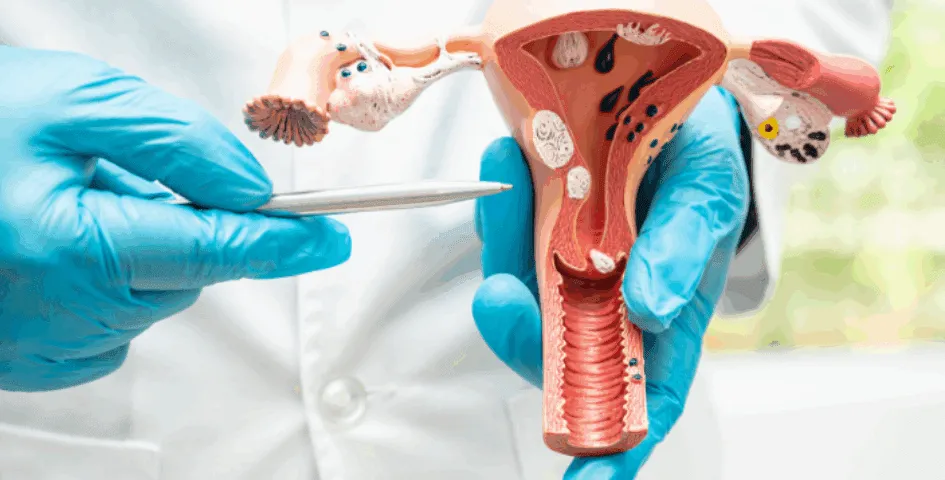
If you are looking for effective Fibroid Treatment in Ghaziabad, Dr. Smita Jain offers comprehensive evaluation and personalized treatment plans for uterine fibroids. Using advanced diagnostic methods and modern treatment options, she helps women manage symptoms such as heavy bleeding, pelvic pain, and fertility concerns while preserving their overall reproductive health.
Uterine fibroids are non-cancerous growths that develop within or around the uterus. They commonly occur in women during their reproductive years and may vary in size, number, and location. While some women experience no symptoms, others may have heavy menstrual bleeding, pelvic pain, pressure symptoms, or fertility-related concerns.
The exact cause of uterine fibroids is not fully understood, but they are believed to be influenced by genetic factors and hormonal changes. Early diagnosis and timely treatment can help manage symptoms, improve quality of life, and reduce the impact of fibroids on reproductive health.
Every successful pregnancy is a story of hope, trust, and expert fertility care. Explore some of the beautiful moments shared by families who achieved parenthood with the guidance of Dr. Smita Jain.
Uterine fibroids may cause a variety of symptoms depending on their size, number, and location. Early diagnosis can help prevent complications and improve quality of life.
These fibroids develop within the muscular wall of the uterus and are the most common type of uterine fibroid.
These fibroids grow beneath the uterine lining and may cause heavy menstrual bleeding and fertility problems.
These fibroids develop on the outer surface of the uterus and may place pressure on nearby organs.
Watch expert explanations, IVF treatment guidance, fertility tips, pregnancy care videos and real patient success stories.
Early consultation with a fibroid specialist can help diagnose uterine fibroids, relieve symptoms, and protect your reproductive health.
A thorough evaluation helps diagnose uterine fibroids, determine their size and location, and guide the most appropriate treatment plan.
Your symptoms, menstrual history, and reproductive health history are reviewed in detail.
A physical examination is performed to detect enlargement of the uterus or other signs of fibroids.
Ultrasound is used to evaluate the size, number, and location of uterine fibroids.
Additional imaging tests may be recommended when a more detailed assessment is required.
Women planning pregnancy may undergo fertility evaluation to determine how fibroids may affect conception.
Diagnostic findings help determine the most suitable treatment approach based on your symptoms, fertility goals, and overall health.
Medications may be prescribed to help manage heavy menstrual bleeding, pelvic pain, and other fibroid-related symptoms.
Hormonal therapies may be recommended in selected cases to control symptoms and slow fibroid growth.
Minimally invasive laparoscopic surgery is performed for selected fibroids while preserving the uterus and fertility whenever possible.
Personalized treatment strategies are designed to improve fertility and increase the chances of a healthy pregnancy.
A minimally invasive hysteroscopic procedure is used to remove selected fibroids located inside the uterine cavity.
Every treatment plan is tailored according to your symptoms, age, fertility goals, fibroid size, and overall health.
Fibroids could influence fertility based on numerous factors. Their size, number, and location can affect reproductive health. In particular, fibroids that distort the uterine cavity may inhibit embryo implantation or interfere with normal uterine function, making conception more difficult.
Women experiencing infertility, recurrent pregnancy loss, or unsuccessful fertility treatments should undergo a detailed fertility assessment to determine whether fibroids are contributing to the problem. Appropriate treatment and effective symptom management can improve reproductive outcomes and increase the chances of achieving a healthy pregnancy.
A minimally invasive procedure that removes fibroids through small incisions while preserving the uterus.
An advanced procedure used to remove fibroids located inside the uterus without making external incisions.
Minimally invasive techniques usually result in less pain, shorter hospital stays, and quicker recovery.
These procedures aim to remove fibroids while preserving the uterus and maintaining future fertility whenever possible.
Excessive menstrual bleeding can interfere with daily activities and affect overall health.
Large or multiple fibroids may cause persistent pelvic pain, pressure, and discomfort.
Certain fibroids may interfere with fertility and reduce the chances of becoming pregnant.
Untreated fibroids may increase the risk of complications during pregnancy in some women.
Enlarged fibroids can press on the bladder or bowel, leading to urinary and bowel problems.
Ongoing symptoms such as pain and heavy bleeding can significantly affect daily life and overall well-being.
With over 20 years of experience, Dr. Smita Jain is a trusted Gynecologist and Fertility Specialist with extensive expertise in diagnosing and treating uterine fibroids. She provides personalized treatment plans based on the size, location, and symptoms of fibroids, while also considering each patient's reproductive goals. Her focus is on relieving symptoms, preserving fertility whenever possible, and offering minimally invasive treatment options.
Dr. Jain combines advanced diagnostic techniques with compassionate, patient-centered care to ensure the best possible outcomes. Her comprehensive approach helps women effectively manage fibroids, improve their reproductive health, and enhance their overall quality of life with safe and evidence-based treatment.

Find answers to the most commonly asked questions about uterine fibroids, their symptoms, diagnosis, treatment, and fertility.
Common symptoms include heavy menstrual bleeding, painful periods, pelvic cramps, abdominal bloating, frequent urination, pelvic pressure, and fertility-related concerns. Some women may not experience any symptoms.
Yes. Depending on their size and location, some fibroids may interfere with implantation, fertility, or pregnancy. However, many women with fibroids have healthy pregnancies after appropriate treatment.
No. Uterine fibroids are benign (non-cancerous) growths and are not considered a form of cancer.
Fibroids are usually diagnosed through a pelvic examination and ultrasound. Additional imaging tests such as MRI may be recommended in selected cases.
No. Treatment depends on the size of the fibroid, symptoms, age, fertility goals, and overall health. Many women can be managed with medications or regular monitoring without surgery.
Yes. New fibroids may develop after treatment, especially in women who are still in their reproductive years. Regular follow-up helps monitor for recurrence.
Laparoscopic myomectomy is a minimally invasive procedure that removes fibroids through small incisions. It offers less pain, minimal scarring, and a faster recovery compared with traditional open surgery.
Fibroid removal may be recommended when symptoms become severe, affect quality of life, cause heavy bleeding, pelvic pain, or contribute to infertility or pregnancy-related problems.