If you are looking for effective Menopause Treatment in Ghaziabad, Dr. Smita Jain provides personalized care to help women manage hot flashes, mood changes, sleep disturbances, and other menopause-related symptoms. With comprehensive evaluation and tailored treatment plans, she supports women in maintaining their health, comfort, and quality of life during this transition.
Menopause is the natural end of a woman's ability to menstruate and reproduce. Starting from the 12-month anniversary of a woman's last menstruation, menopause has been officially documented. This mid-life event usually is seen between 45-55 and is accompanied by a decrease of reproductive hormones, mainly estrogen, and other reproductive hormones.
The changes in hormones like this can lead to a wide variety of both physical and emotional symptoms and can even affect metabolism and wellness. Menopause can change quality of life, but yes it is totally normal, and guidance from a medical professional can help this state of life be symptom managed for the healthiest quality of life.
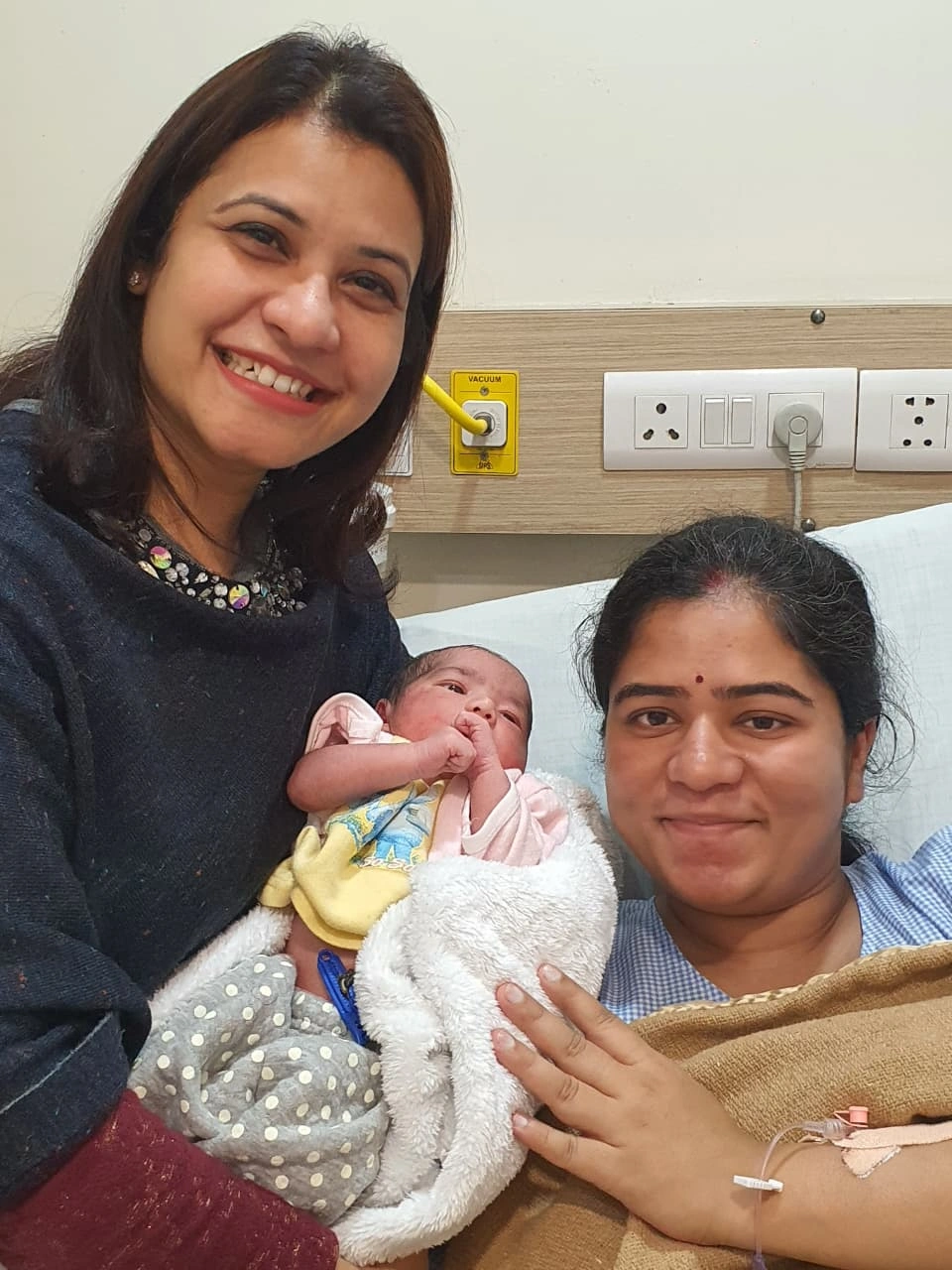
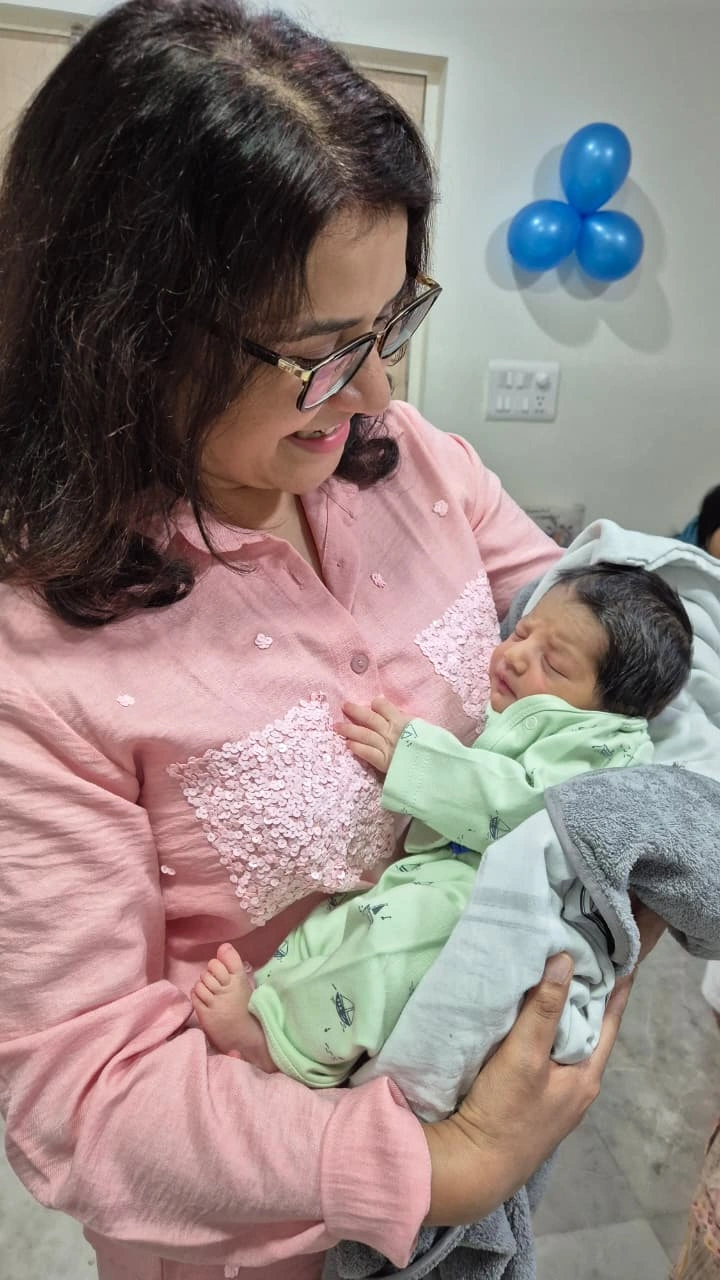
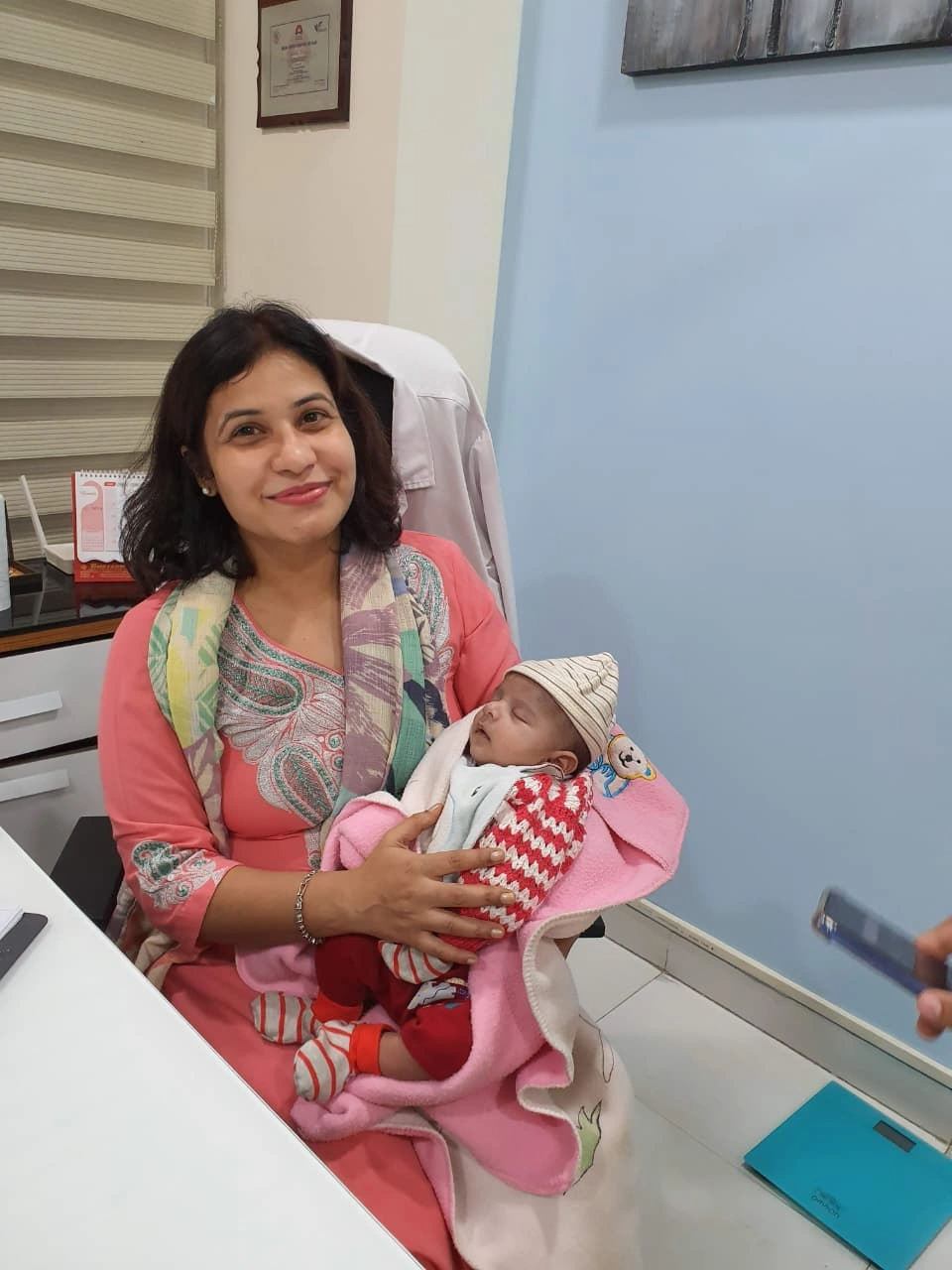
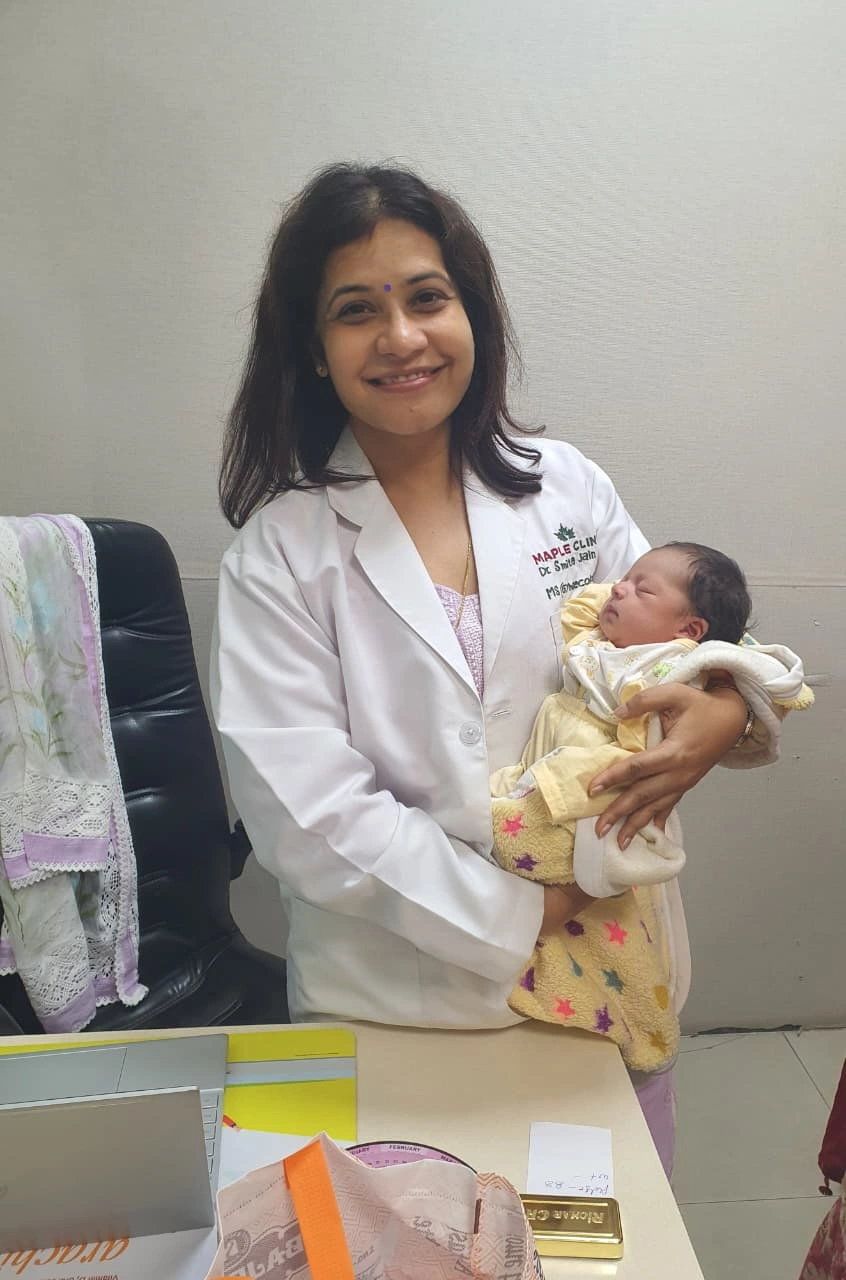
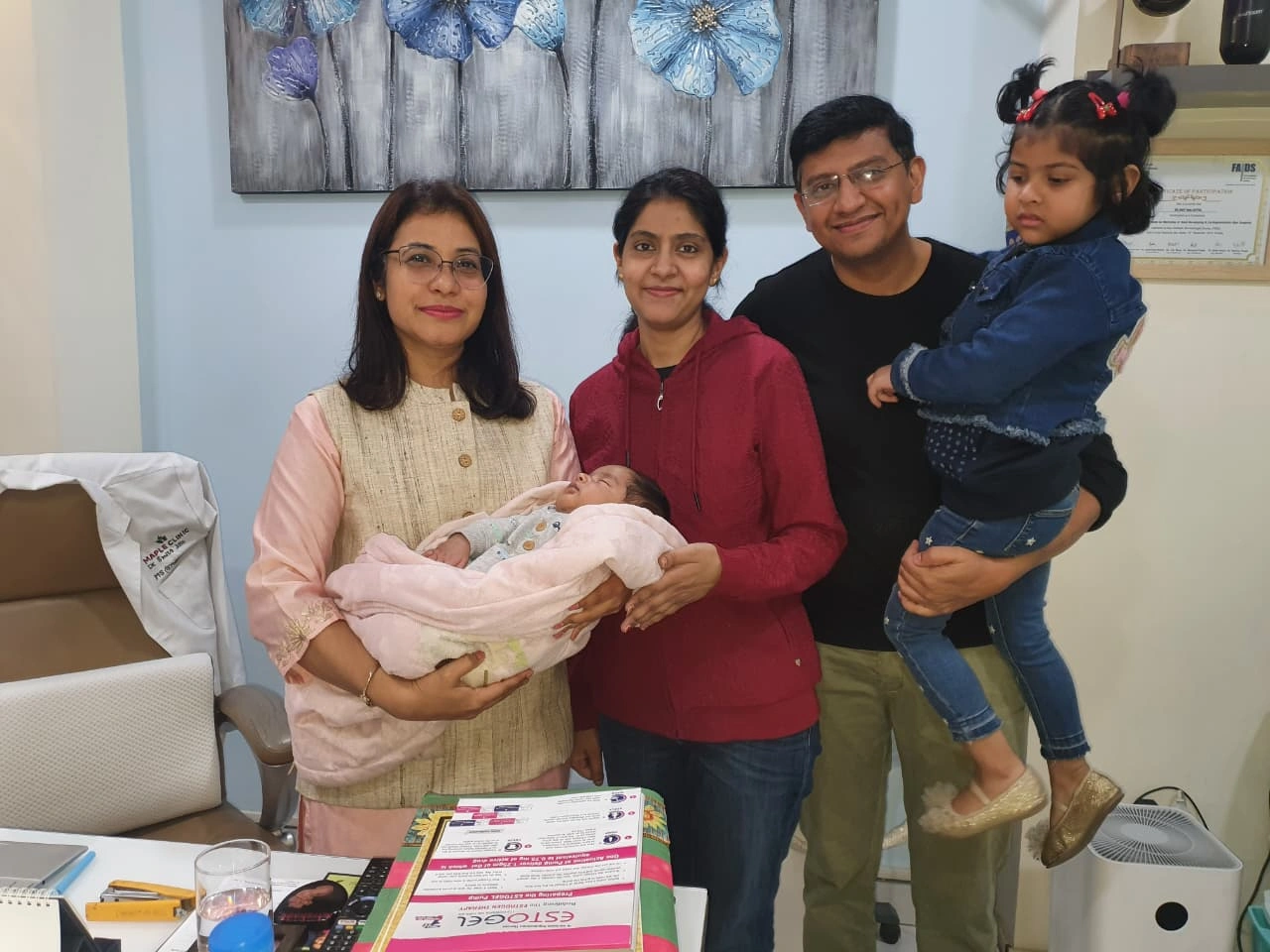
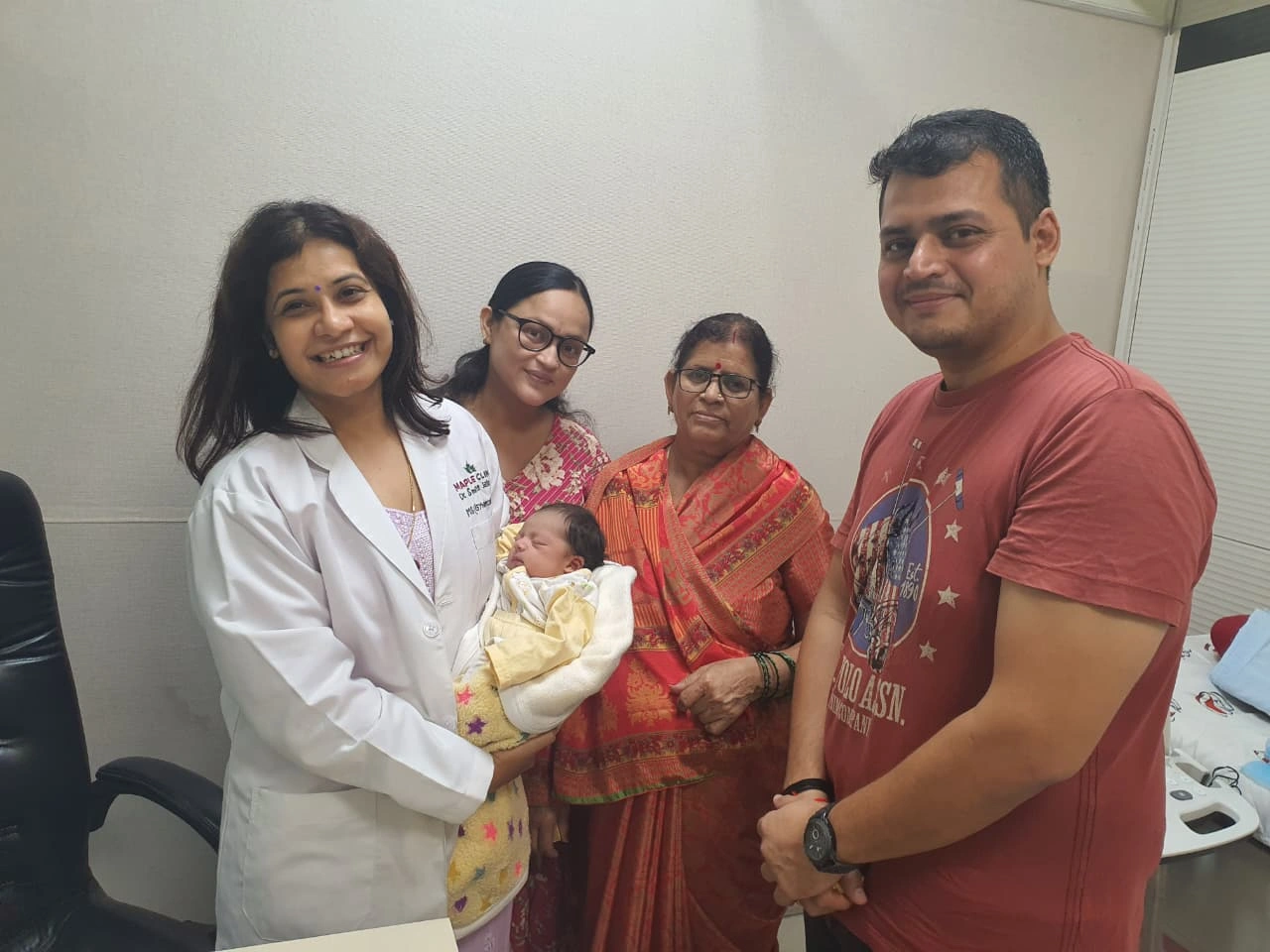
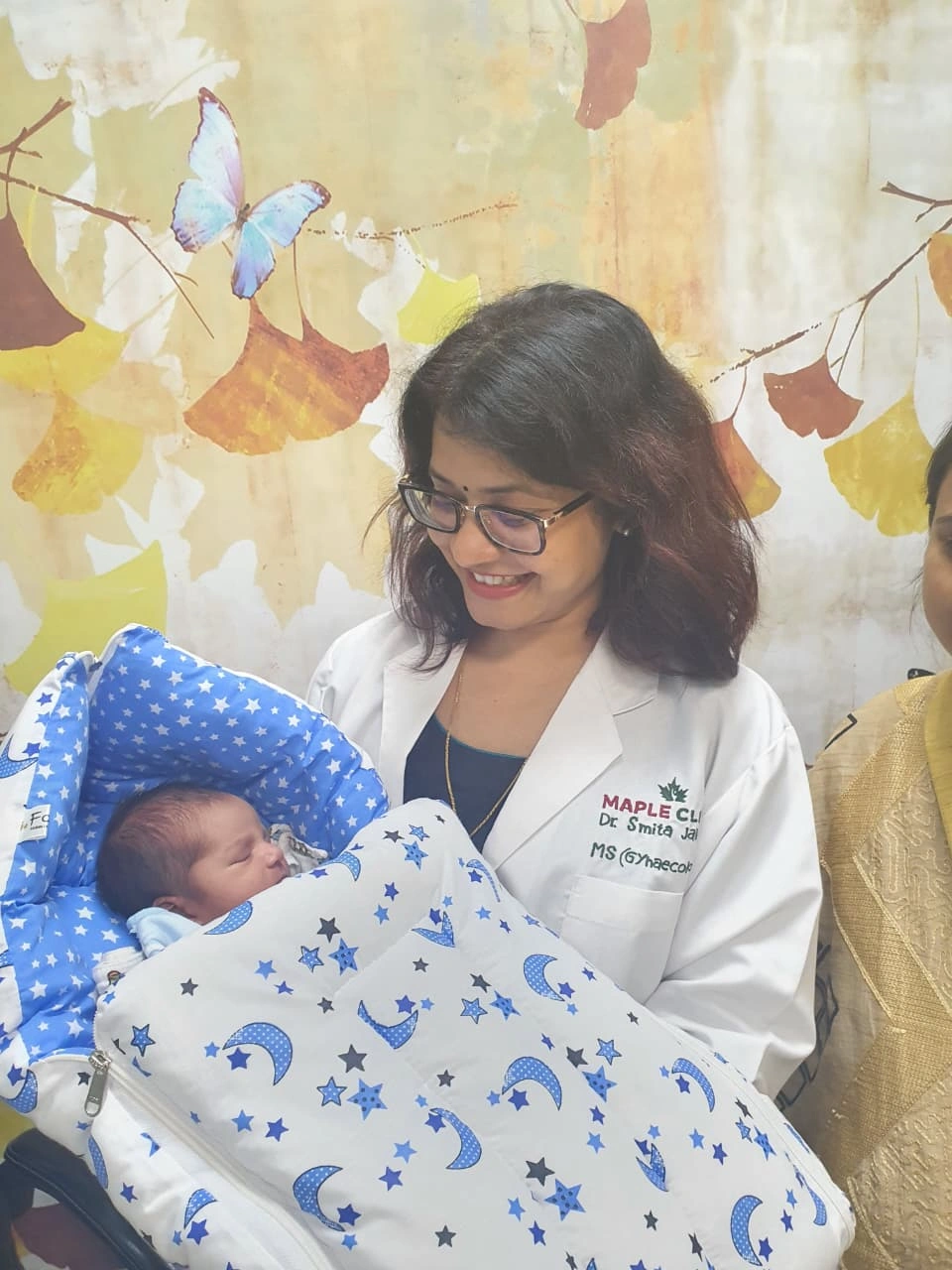
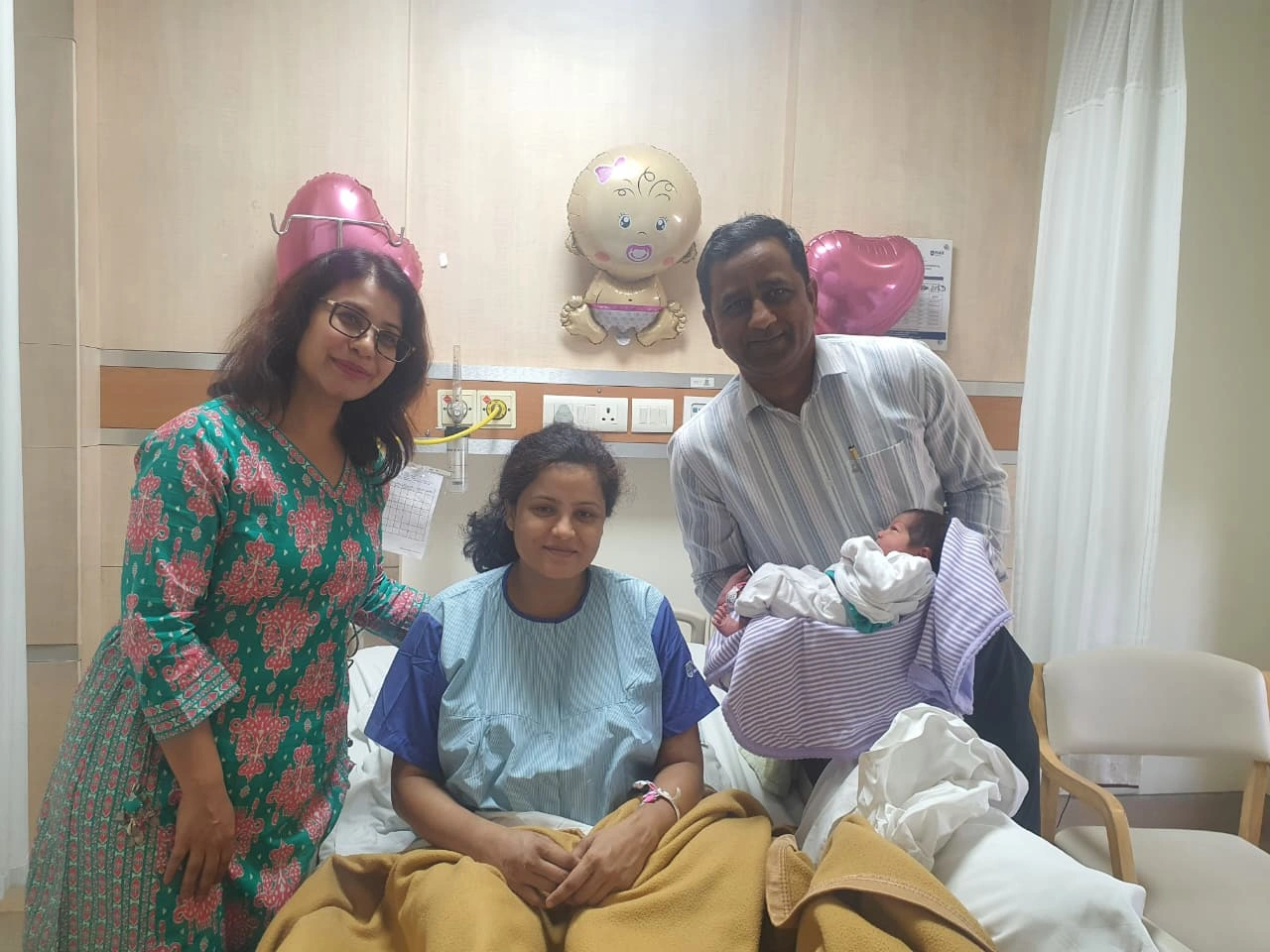
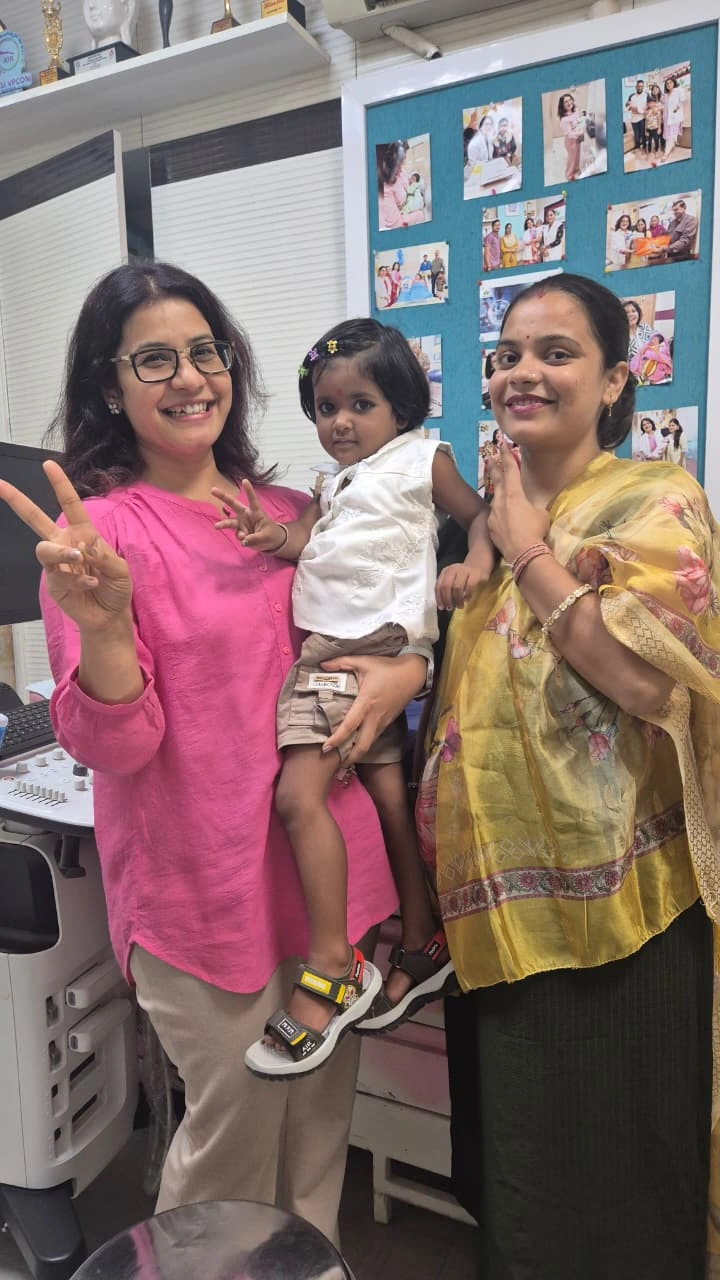
Every successful pregnancy is a story of hope, trust, and expert fertility care. Explore some of the beautiful moments shared by families who achieved parenthood with the guidance of Dr. Smita Jain.
Menopause can cause a variety of physical and emotional symptoms due to hormonal changes. Recognizing these symptoms early can help women seek appropriate medical care and improve their quality of life.
If menopause symptoms begin to affect your daily routine, emotional well-being, or overall health, consulting a gynecologist can help you receive the right guidance and treatment.
Watch expert explanations, IVF treatment guidance, fertility tips, pregnancy care videos and real patient success stories.
A comprehensive evaluation helps determine menopausal status, assess symptoms, and identify the most appropriate treatment approach for long-term health and well-being.
Discussion about symptoms, menstrual history, and general well-being is important for determining menopausal status.
Gynecological as well as general physical assessment might be carried out if necessary.
Testing the levels of hormones might be recommended through blood sampling.
Symptoms' evaluation is vital for determining appropriate treatment options.
This evaluation might be needed in order to diagnose any possible complications concerning bone density after menopause.
Further investigations might be required according to one's medical condition and symptoms.
Tailored care to alleviate symptoms associated with menopause and enhance well-being.
Methods using hormones that might suit certain patients.
Other options for women who may not be suitable for hormone replacement therapies.
Care is intended to deal with issues like vaginal dryness arising from menopause.
Information on how to sustain bone health during menopause.
Ongoing care to ensure good health in the period of menopause and beyond.
Hormones can be used to ease symptoms like hot flashes, night sweats and vaginal dryness.
Advice on hormones can be customized based on age, symptoms and state of health.
Hormone replacement treatment can help to ease discomfort and improve life.
This ensures proper usage of hormone treatments through regular medical checks.
Therapy is planned after evaluating risks for each patient.
The objective is to promote health in addition to addressing symptoms.
Eating healthy can help you support your hormonal health in addition to providing more energy and prolonged wellness.
Exercising regularly is great for managing your weight and mood and improves bone health.
Relaxation is a great way of managing stress and is very effective for improving your mood.
Having a good sleeping pattern can be great for your health and help you have more energy.
Making strong lifestyle decisions now can help you reduce your health risks during menopause.
Staying healthy and strong is all about committing to regular checkups with your doctor.
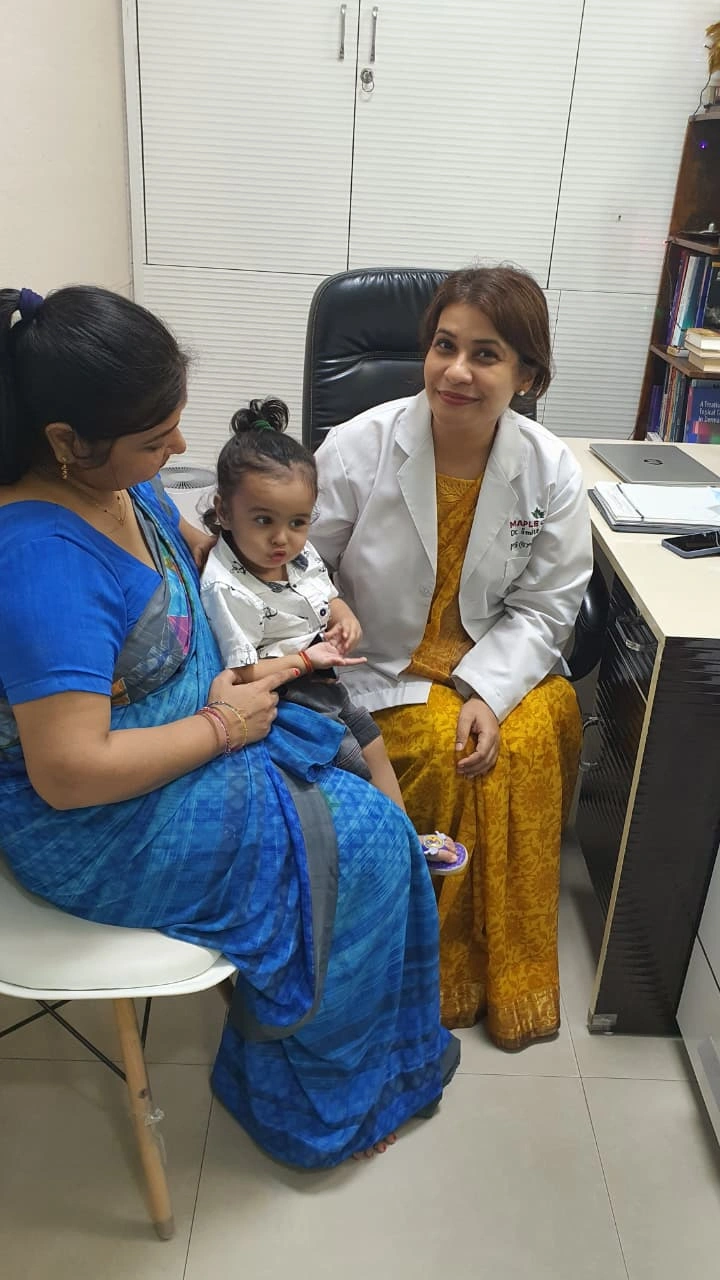
Dr. Smita Jain is a Gynecologist specializing in women’s health and care with over 20 years of experience. She offers tailored management plans for menopause, factoring in a woman’s symptoms and health priorities.
With a focus on relieving symptoms, hormonal balance, preventive health, and overall wellness, Dr. Jain has extensive experience in counseling women through menopause. Her expertise in reproductive and gynecological healthcare enables her to provide comprehensive support at every stage of menopause through evidence-based treatments and compassionate, patient-centered care.
Find answers to the most commonly asked questions about menopause, its symptoms, diagnosis, treatment options, and long-term health management.
Most women experience menopause between the ages of 45 and 55, although it can occur earlier or later.
The most common signs include irregular menstrual cycles, hot flashes, mood changes, and difficulty sleeping.
Yes. Lifestyle changes, medications, and hormone therapy can help manage menopause symptoms effectively.
Hormone therapy can be safe and effective for suitable patients when prescribed and monitored by a qualified gynecologist.
The duration varies from woman to woman. For some, symptoms last a few years, while others may experience them for a longer period.
Yes. Hormonal changes during menopause can contribute to mood swings, anxiety, irritability, and emotional changes.
A balanced diet rich in calcium, protein, fruits, vegetables, and whole grains can help support overall health and reduce some menopause symptoms.
You should consult a gynecologist if menopause symptoms begin affecting your daily activities, sleep, emotional well-being, or overall quality of life.