If you are looking for effective Adenomyosis Treatment in Ghaziabad, Dr. Smita Jain offers personalized care to help manage heavy periods, pelvic pain, and fertility concerns. Early diagnosis and tailored treatment can improve symptoms, reproductive health, and overall quality of life.
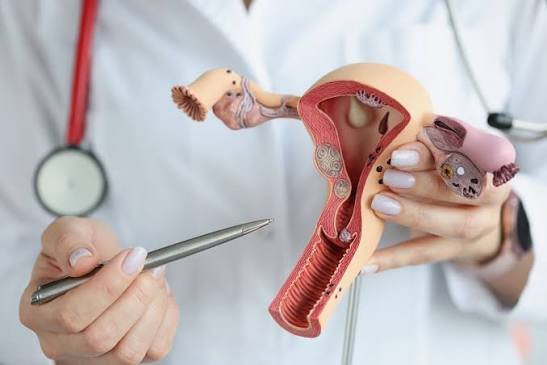
Adenomyosis occurs when endometrial tissue grows into the muscular wall of the uterus. The expansion of this tissue may cause the uterus to enlarge, leading to heavy and painful periods, pelvic pain, and in some cases, infertility.
Adenomyosis most commonly affects women during their reproductive years. Its symptoms can significantly impact daily life and overall well-being. With early diagnosis and appropriate treatment, symptoms can be managed effectively, reproductive health can be improved, and pain can be reduced. Long-term management is best achieved through personalized care.
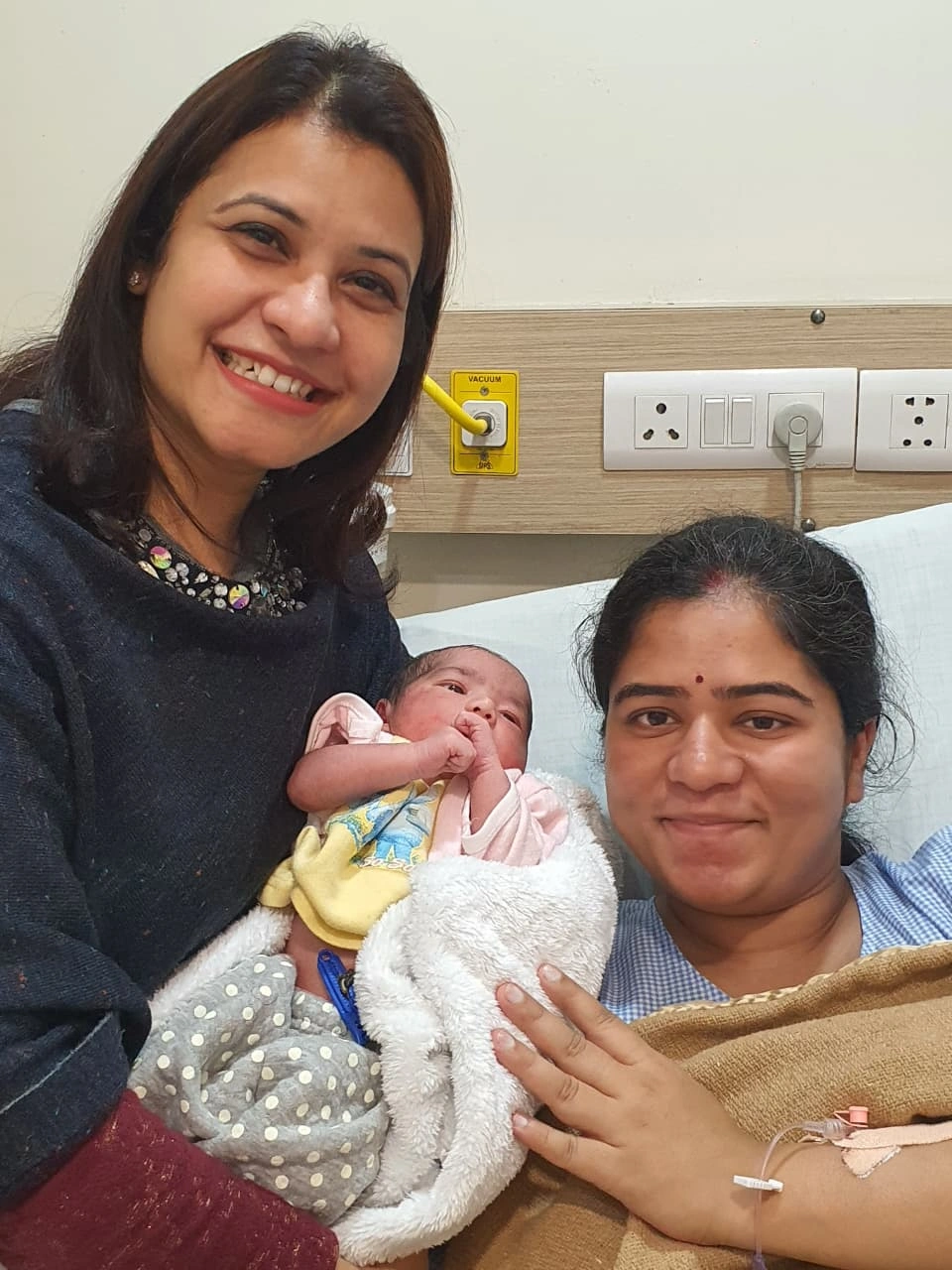
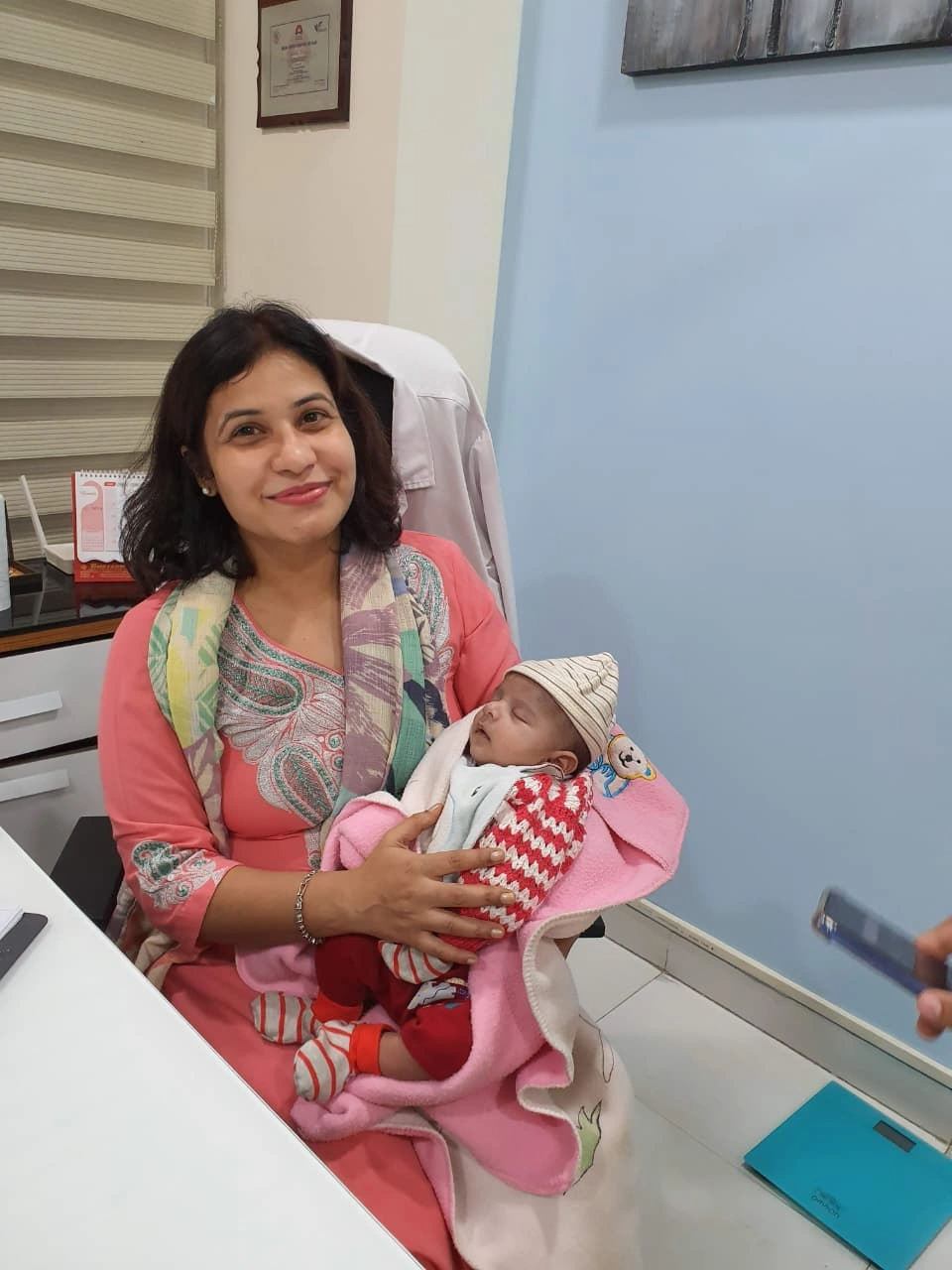
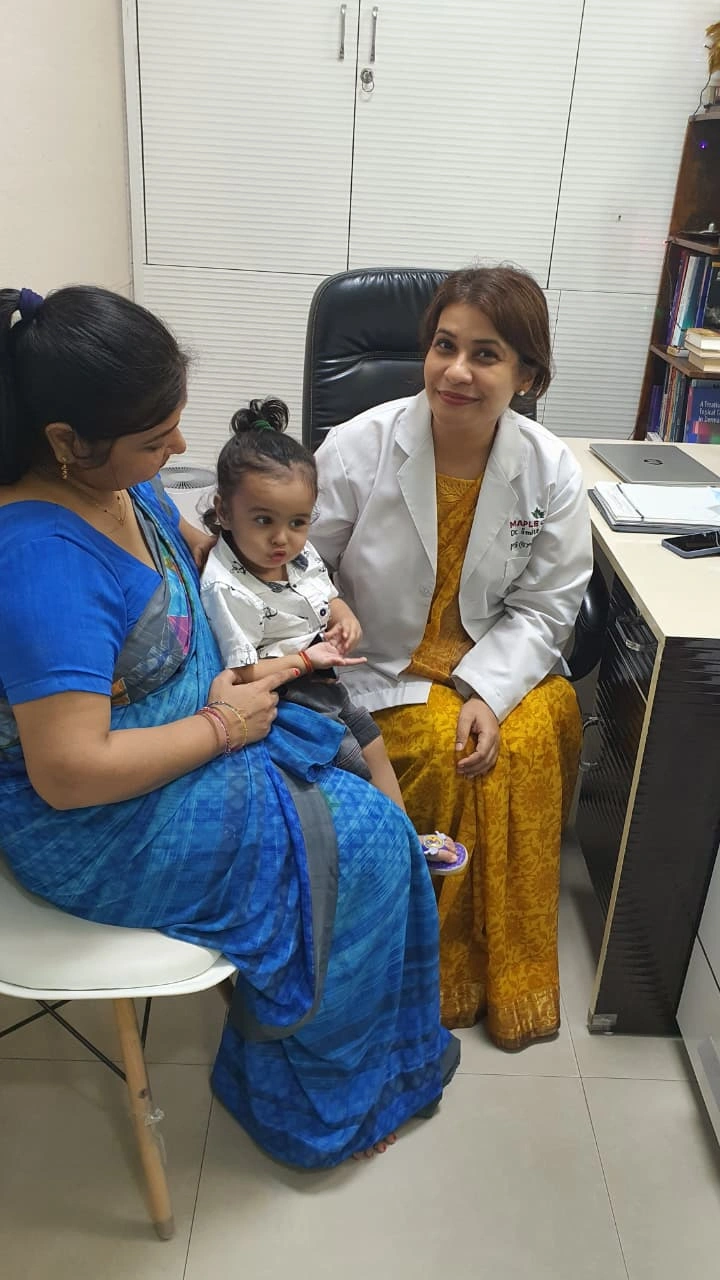
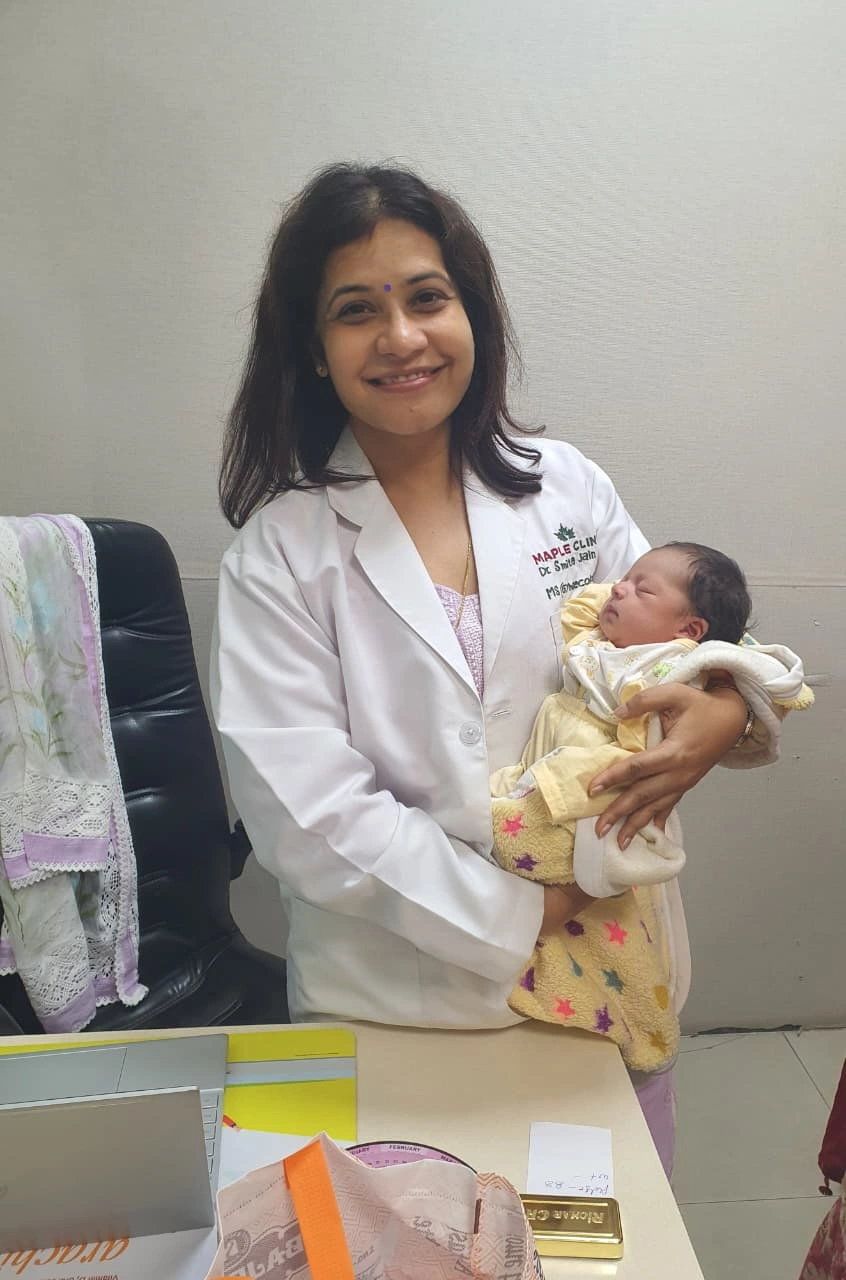
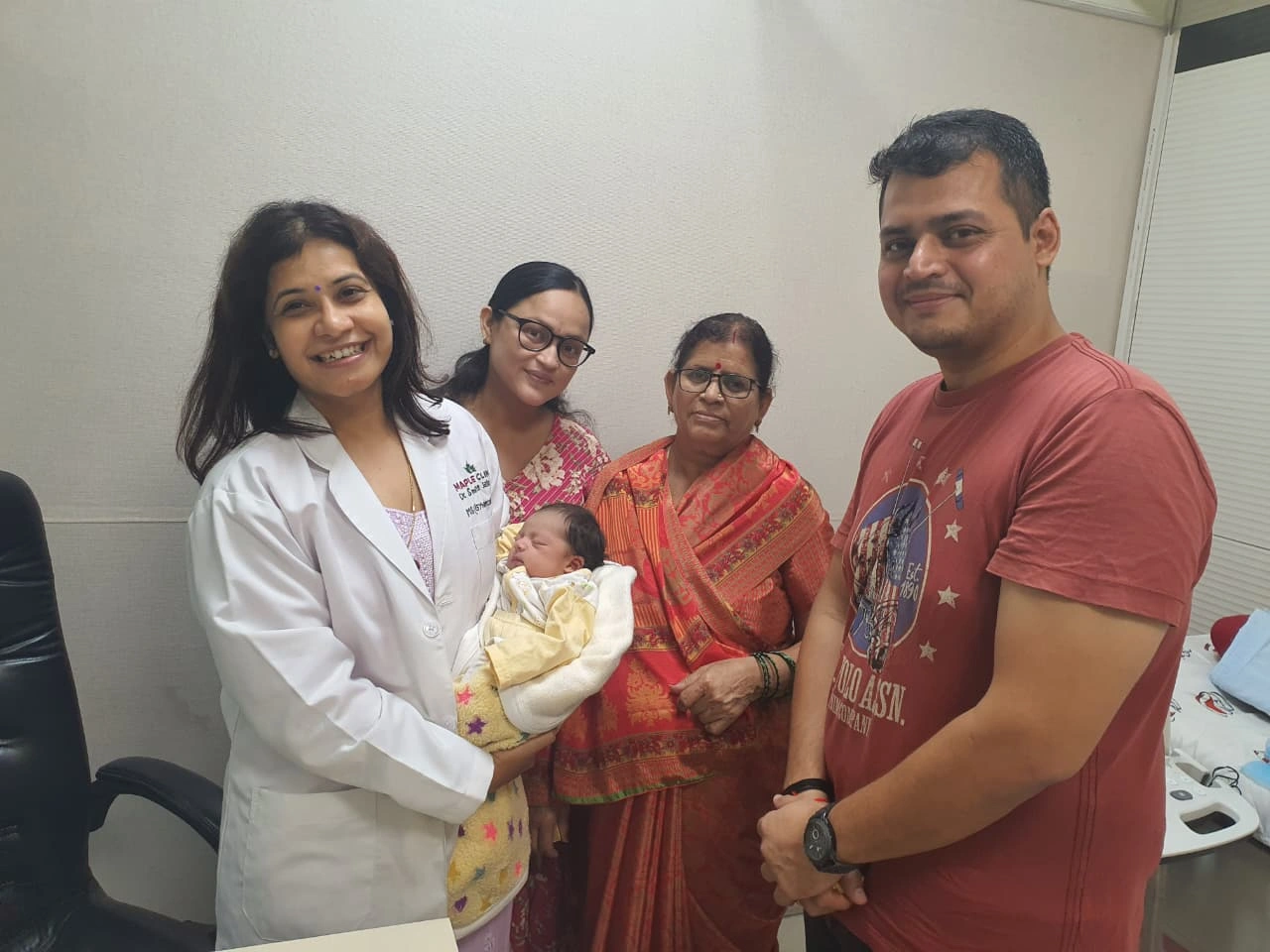
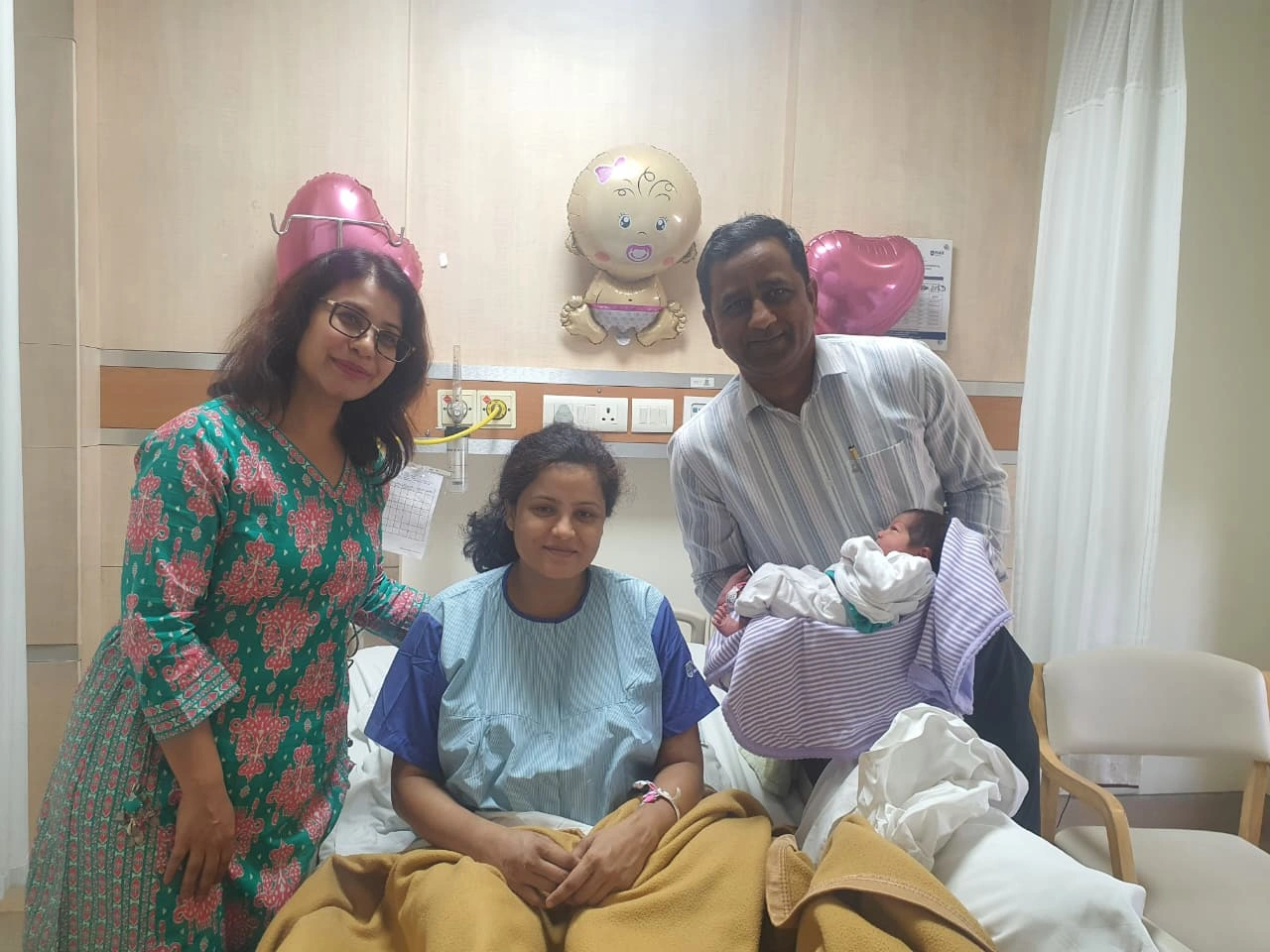
Every successful pregnancy is a story of hope, trust, and expert fertility care. Explore some of the beautiful moments shared by families who achieved parenthood with the guidance of Dr. Smita Jain.
Adenomyosis can cause a range of symptoms that affect menstrual health, pelvic comfort, and fertility. Early evaluation by a gynecologist can help with timely diagnosis and effective treatment.
If you experience persistent pelvic pain, heavy menstrual bleeding, or symptoms that affect your daily life or fertility, consult a gynecologist for timely evaluation and appropriate treatment.
Watch expert explanations, IVF treatment guidance, fertility tips, pregnancy care videos and real patient success stories.
A comprehensive evaluation helps diagnose adenomyosis accurately, assess the severity of the condition, and develop a personalized treatment plan to relieve symptoms and support reproductive health.
A thorough assessment of symptoms, menstrual history, and reproductive health is performed to understand the patient's condition.
A pelvic examination helps evaluate the size, shape, and tenderness of the uterus, which may indicate adenomyosis.
Pelvic ultrasound is commonly used to examine the uterine structure and identify features suggestive of adenomyosis.
In selected cases, magnetic resonance imaging (MRI) may be recommended for a more detailed evaluation of the uterus.
Women experiencing difficulty conceiving may require additional fertility evaluations to determine the impact of adenomyosis.
Based on the diagnostic findings, an individualized treatment plan is created to manage symptoms, preserve fertility when needed, and improve quality of life.
Medications are prescribed to relieve pain, reduce heavy menstrual bleeding, and effectively manage adenomyosis symptoms.
Hormonal treatment helps regulate menstrual cycles, reduce excessive bleeding, and relieve the symptoms associated with adenomyosis.
Personalized fertility treatments are offered for women trying to conceive or experiencing infertility due to adenomyosis.
Depending on the severity of symptoms and individual needs, minimally invasive treatment options may be recommended.
Comprehensive pain management strategies are designed to improve comfort and enhance overall quality of life.
Individualized treatment plans are created based on age, symptoms, fertility goals, and overall health to provide the best possible outcomes.
The changes in the uterus caused by adenomyosis can interfere with embryo implantation and affect the progression of pregnancy, which may reduce fertility. Some women with adenomyosis experience difficulty conceiving or face pregnancy-related challenges due to the condition.
A comprehensive fertility evaluation helps determine the extent to which adenomyosis is affecting reproductive health and identifies the most suitable treatment options. With timely diagnosis, personalized treatment, and appropriate fertility care, many women with adenomyosis can successfully conceive and achieve a healthy pregnancy.
Many patients can manage adenomyosis symptoms effectively with conservative treatment options, minimizing the need for surgery.
When required, fertility-preserving surgical procedures are performed to relieve symptoms while supporting future reproductive goals.
Minimally invasive gynecologic procedures may be recommended based on symptom severity, uterine condition, and the patient's treatment goals.
Modern minimally invasive techniques help reduce hospital stay, minimize discomfort, and promote faster recovery.
Appropriate treatment helps reduce pelvic pain, heavy menstrual bleeding, and other symptoms associated with adenomyosis.
Every treatment plan is tailored according to the patient's symptoms, fertility intentions, age, and overall reproductive health.
Hormonal therapy can help reduce heavy menstrual bleeding, pelvic pain, and other symptoms associated with adenomyosis.
Hormonal treatment may help regulate menstrual cycles and decrease excessive menstrual bleeding.
Hormonal therapy may be included as part of a personalized fertility treatment plan when appropriate.
Many women can achieve symptom relief through hormone therapy, reducing or delaying the need for surgery.
Regular monitoring helps ensure that hormonal treatment remains safe, effective, and suited to changing health needs.
Every hormone therapy plan is tailored according to the patient's age, symptoms, fertility goals, and overall health.
Dr. Smita Jain is a highly experienced Gynecologist and Fertility Specialist with over 20 years of expertise in diagnosing and treating complex gynecological conditions, including adenomyosis. She develops personalized treatment plans based on each patient's symptoms, reproductive goals, and overall health while ensuring an accurate diagnosis and comprehensive care.
Dr. Jain follows a patient-centered approach that focuses on relieving pain, preserving fertility whenever possible, and improving long-term reproductive health. By combining advanced diagnostic techniques, evidence-based treatments, and compassionate gynecological care, she helps women effectively manage adenomyosis and achieve a better quality of life.

Find answers to the most commonly asked questions about adenomyosis, its symptoms, diagnosis, fertility concerns, and available treatment options.
Adenomyosis occurs when the tissue that normally lines the uterus grows into the muscular wall of the uterus, causing pain and heavy menstrual bleeding.
Yes, adenomyosis may affect fertility and can make conception more challenging for some women.
Common symptoms include heavy menstrual bleeding, severe menstrual cramps, chronic pelvic pain, and pressure-related discomfort.
Diagnosis typically involves a medical history review, pelvic examination, ultrasound, and, in some cases, MRI or other imaging studies.
Treatment focuses on relieving symptoms and improving quality of life. The most suitable treatment depends on your age, symptoms, and fertility goals.
Yes, many women benefit from medications, hormonal therapy, and other non-surgical treatment options before considering surgery.
Adenomyosis affects the muscular wall of the uterus, whereas endometriosis occurs when similar tissue grows outside the uterus.
IVF may be recommended in selected cases where adenomyosis contributes to fertility challenges, depending on the individual's reproductive health.